

Your vehicle relies on a complex system of components to keep you safe on the road, and none is more critical than your brakes. Ignoring the early warning signals of brake wear can compromise your safety and lead to much more expensive automotive bills down the road. Recognizing the signs of failing components early allows you to address the problem before it escalates into a dangerous situation.
Many drivers overlook minor changes in how their vehicle stops, attributing them to normal wear or simply adjusting their driving habits to compensate. However, your braking system is designed to give you specific physical and auditory cues when it requires professional maintenance. Paying close attention to these signals is the easiest way to protect yourself, your passengers, and other drivers.
When you notice your car behaving differently, reaching out to trusted professionals makes all the difference. The expert technicians at Pyle Automotive understand exactly how to diagnose and resolve these issues efficiently. By knowing what to look out for, you can schedule a timely brake repair and drive with complete peace of mind. Here are the top five indicators that your vehicle needs to be inspected immediately.
High-Pitched Squeaking or Harsh Grinding Noises
One of the most common and noticeable indicators of brake trouble is a loud squeaking or squealing sound when you apply pressure to the pedal. Manufacturers design brake pads with small metal tabs called wear indicators. When the pad material wears down to a specific level, this metal tab rubs against the rotor to create that unmistakable high-pitched noise. Hearing this sound means your pads are nearing the end of their lifespan and require replacement soon.
If you ignore the initial squeaking, the noise will eventually change into a harsh, metallic grinding sound. This grinding noise means the brake pad material has completely worn away, leaving the metal backing plate to clamp directly onto the metal rotor. This lack of friction material severely reduces your stopping power and actively damages the rotors. If you hear grinding, you need to bring your vehicle to Pyle Automotive for an immediate brake repair, as driving in this condition is incredibly unsafe.
A Spongy or Unusually Soft Brake Pedal
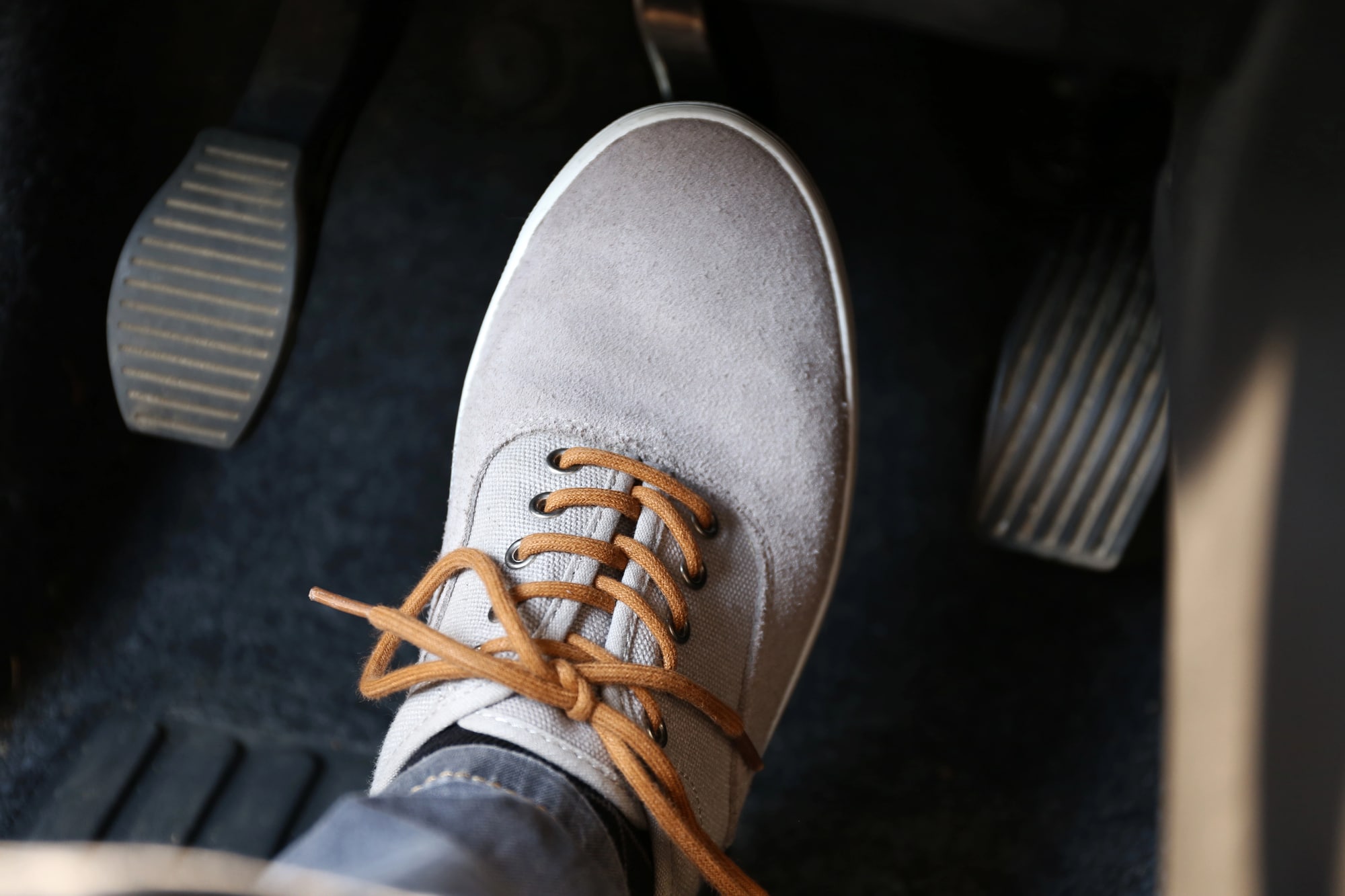
brake repair
Your brake pedal should feel firm and responsive every time you press it. If you step on the pedal and it feels squishy, spongy, or sinks all the way to the floorboard with little resistance, you have a serious problem. This change in pedal feel usually indicates an issue within the hydraulic system that powers your brakes.
A spongy pedal is often caused by air trapped in the brake lines, but it can also be a symptom of a much more severe issue like a brake fluid leak. Without the proper amount of hydraulic fluid, your vehicle cannot generate the necessary force to clamp the brake pads against the rotors. Because a fluid leak can lead to a total loss of braking capability, you must have the system inspected by the specialists at Pyle Automotive at the very first sign of a soft pedal.
Noticeable Vibrations When Pressing the Pedal
Feeling a pulsing sensation or vibration through the brake pedal, the steering wheel, or the entire vehicle during a stop is another major red flag. This vibration is typically the result of warped brake rotors. The rotors are the large metal discs that the brake pads squeeze to stop the wheels from turning. Over time, the immense heat generated by friction can cause the metal of the rotors to warp and lose its perfectly flat surface.
When the brake pads press against an uneven rotor, they bounce slightly, which transfers a vibrating sensation directly back to your foot. This uneven surface prevents the pads from making full contact, thereby increasing the distance it takes for your vehicle to come to a complete stop. The technicians at Pyle Automotive can assess the condition of your rotors and determine if they need to be resurfaced or completely replaced during your brake repair service.
The Vehicle Pulling to One Side While Stopping
If your car suddenly jerks or pulls to the left or right when you apply the brakes, you are experiencing a dangerous loss of control. This pulling sensation means that the brakes on one side of your vehicle are applying more force than the brakes on the other side. Several different mechanical failures can cause this imbalance, and none of them should be ignored.
A stuck brake caliper is a frequent culprit behind uneven braking. The caliper houses the pistons that push the pads against the rotor, and if a piston seizes, the brake will drag or fail to engage properly. Alternatively, a collapsed brake hose might be restricting fluid flow to one specific wheel. Because this issue dramatically affects your ability to steer smoothly during a sudden stop, let the experts at Pyle Automotive perform a thorough brake repair to restore your vehicle’s handling.
The Dashboard Brake Warning Light Illuminates

Car Maintenance Lights
Modern vehicles are equipped with sophisticated sensors designed to alert you when something is wrong with your critical systems. If the red or yellow brake warning light appears on your dashboard, your car’s internal computer has detected a malfunction. This light can indicate a variety of issues, ranging from an engaged parking brake to dangerously low brake fluid levels.
Sometimes, the anti-lock braking system (ABS) light will activate instead, meaning the safety feature that prevents your wheels from locking up during a skid is disabled. You should never ignore dashboard warning lights, as they are your vehicle’s most direct way of asking for help. Bring your car to Pyle Automotive so their team can read the diagnostic codes, pinpoint the exact sensor that triggered the light, and perform the necessary brake repair.
Keep Your Vehicle Safe on the Road
Maintaining your braking system is an ongoing responsibility that requires vigilance and professional care. By paying attention to strange noises, changes in pedal feel, vibrations, steering pulls, and dashboard lights, you can catch mechanical issues before they compromise your safety. Addressing these warning signs promptly saves you from costly secondary damage and ensures your car responds predictably when you need it most.
Never take chances when it comes to stopping power. If you experience any of the symptoms mentioned above, reach out to the experienced team at Pyle Automotive. They provide comprehensive inspections and reliable brake repair services to keep your vehicle running smoothly and safely for miles to come. Reach out today by calling (801) 467-7455.