
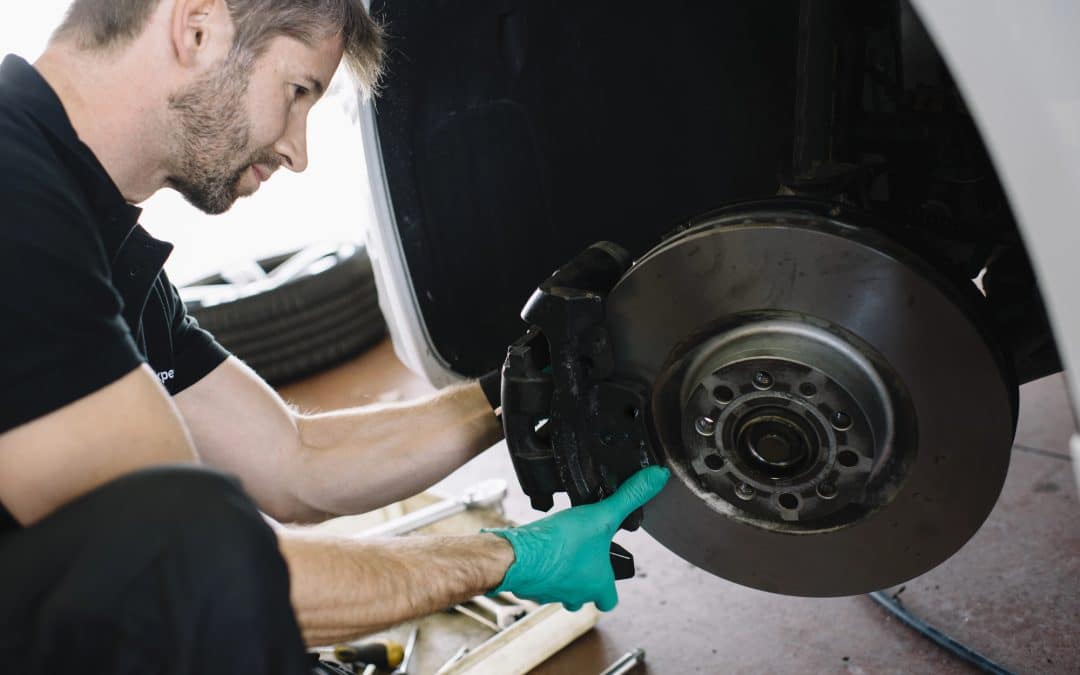
Your car’s braking system is one of the most critical safety components of your vehicle. When brake problems arise, they demand immediate attention to ensure your safety and the safety of others on the road. Understanding the warning signs and knowing when to seek professional brake repair can mean the difference between a simple fix and a costly—or dangerous—situation.
At Pyle Automotive, we’ve seen every type of brake issue imaginable. From squeaky pads to complete brake failure, our experienced technicians have diagnosed and repaired thousands of brake systems over the years. While some brake problems require professional intervention, understanding what’s happening with your brakes can help you make informed decisions about your vehicle’s maintenance and safety.
Brake systems are complex networks of components working together to bring your vehicle to a safe stop. When one component fails or wears out, it can affect the entire system’s performance. Recognizing the early warning signs of brake problems can save you money on repairs and, more importantly, prevent accidents caused by brake failure.
Squealing or Grinding Brake Noises
One of the most common brake repair issues drivers encounter is unusual noises coming from their braking system. These sounds are rarely coincidental and almost always indicate that something needs attention. Squealing noises typically occur when brake pads have worn down to their metal wear indicators, which are designed to create an audible warning that replacement is needed.
When brake pads wear completely through their friction material, the metal backing plate begins grinding against the brake rotor. This creates a harsh grinding sound and can cause significant damage to the rotors if not addressed immediately. The technicians at Pyle Automotive often see rotors that have been severely scored or warped due to drivers continuing to operate their vehicles with completely worn brake pads.
Addressing squealing brakes promptly usually requires only brake pad replacement, which is relatively inexpensive. However, ignoring these warning sounds can lead to rotor replacement or resurfacing, dramatically increasing the cost of brake repair. If you hear any unusual noises when braking, it’s essential to have your brake system inspected by qualified professionals who can determine the exact cause and recommend appropriate repairs.
Spongy or Soft Brake Pedal Feel

brake replacement
When your brake pedal feels spongy, soft, or travels further to the floor than usual, you’re experiencing a brake repair problem that demands immediate attention. This condition often indicates air in the brake lines, worn brake fluid, or internal leaks within the brake system. A spongy brake pedal significantly reduces your vehicle’s stopping power and can lead to complete brake failure.
Air in brake lines prevents the hydraulic pressure needed for effective braking from building properly. This can occur after brake repairs if the system isn’t properly bled, or it can develop gradually through small leaks in brake lines, calipers, or the master cylinder. The experienced team at Pyle Automotive uses professional brake bleeding equipment to remove air from brake systems and restore proper pedal feel and braking performance.
Brake fluid contamination is another common cause of spongy brake pedals. Over time, brake fluid absorbs moisture from the atmosphere, which lowers its boiling point and can cause brake fade under heavy use. Contaminated brake fluid also becomes corrosive and can damage internal brake system components. Regular brake fluid replacement, as recommended by your vehicle manufacturer, prevents many brake repair issues and maintains optimal brake performance.
Brake Warning Light Activation
Modern vehicles are equipped with brake warning lights that illuminate when the brake system detects problems. These warning systems monitor brake fluid levels, brake pad wear, and overall system function. When a brake warning light appears on your dashboard, it’s indicating that your vehicle needs immediate brake repair attention.
Low brake fluid levels trigger brake warning lights and can indicate leaks in the brake system or excessively worn brake components. Brake fluid doesn’t normally decrease unless there’s a leak or the brake pads have worn significantly. Either situation requires professional diagnosis to determine the root cause and necessary repairs.
Some vehicles have electronic brake pad wear sensors that trigger warning lights when pads reach minimum thickness. These systems provide an additional safety margin beyond the audible wear indicators built into brake pads. At Pyle Automotive, our technicians can diagnose brake warning light causes using advanced diagnostic equipment and provide accurate repair recommendations based on their findings.
Pulling to One Side While Braking
When your vehicle pulls to one side during braking, you’re experiencing uneven braking force between the left and right sides of your car. This brake repair issue can be caused by several factors, including stuck brake calipers, contaminated brake pads, or problems with brake lines. Brake pulling not only makes your vehicle difficult to control during stops but can also cause premature tire wear and additional brake system damage.
Stuck brake calipers prevent proper brake pad movement and can cause one side of your vehicle to brake more or less effectively than the other. This condition often develops gradually, making it easy to overlook until the pulling becomes pronounced. Contaminated brake pads, whether from oil leaks, brake fluid leaks, or road debris, can also create uneven braking characteristics.
Professional brake repair technicians can quickly identify the cause of brake pulling through systematic inspection of brake components. Pyle Automotive’s comprehensive brake inspections examine all aspects of the brake system to ensure balanced braking performance and proper vehicle control during stops.
When to Seek Professional Brake Repair
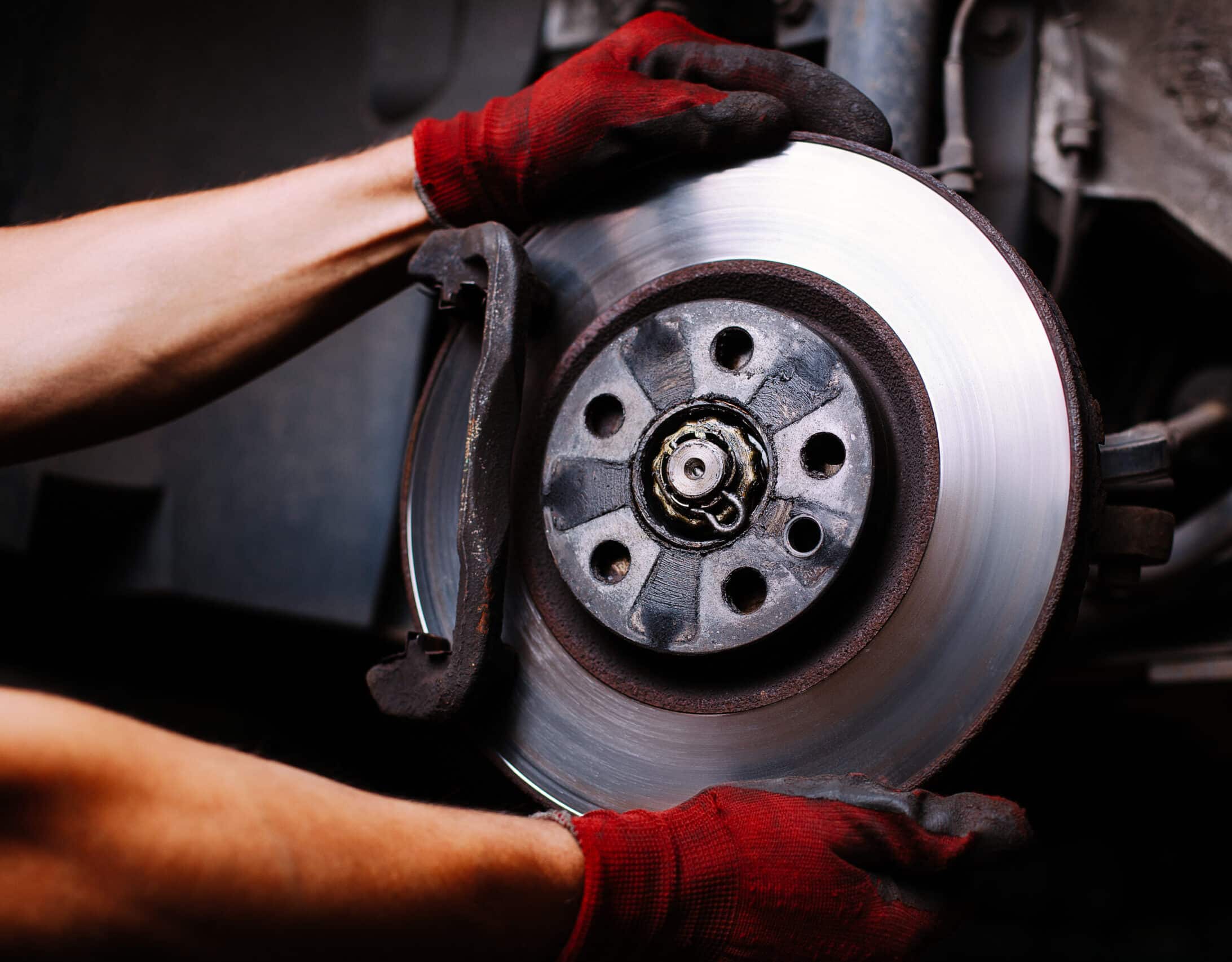
Vehicle Brake Maintenance
While some automotive maintenance can be performed by knowledgeable vehicle owners, brake repair should always be entrusted to qualified professionals. Brake systems are complex safety-critical components that require specialized tools, knowledge, and experience to service properly. Attempting brake repairs without proper expertise can result in brake failure and serious accidents.
Pyle Automotive’s certified technicians have the training and equipment necessary to diagnose and repair all types of brake problems safely and effectively. Our comprehensive brake services include inspection, diagnosis, repair, and testing to ensure your vehicle’s brake system operates at peak performance. We use quality parts and follow manufacturer specifications to provide reliable brake repairs that keep you safe on the road.
Regular brake inspections, even when no problems are apparent, can identify potential issues before they become safety hazards or expensive repairs. Professional brake service includes checking brake fluid levels and condition, measuring brake pad thickness, inspecting rotors for damage, and testing overall system function.
Maintaining Your Brake System for Optimal Performance
Proper brake system maintenance extends the life of brake components and ensures reliable stopping performance when you need it most. Following your vehicle manufacturer’s recommended brake service intervals helps prevent many common brake repair problems and keeps your brake system functioning optimally throughout your vehicle’s life.
The team at Pyle Automotive recommends having your brake system inspected at least annually or whenever you notice any changes in brake performance. Early detection and repair of brake problems typically cost less than waiting until components fail completely. Our preventive approach to brake maintenance has helped countless customers avoid expensive brake repairs and maintain safe, reliable vehicles.
Remember that brake components are wear items that will eventually need replacement regardless of driving habits or maintenance practices. However, proper maintenance and prompt attention to brake problems can significantly extend component life and ensure your safety while driving. Reach out by calling (801) 467-7455 today!