

The sound of squeaky brakes can be unsettling for any driver. It’s a noise that immediately grabs your attention, often accompanied by a flash of worry. Is it a minor annoyance or a sign of a serious problem? Understanding the reasons behind brake noise is the first step toward ensuring your vehicle is safe and reliable. While not every squeak spells disaster, some are clear warnings that require immediate attention and professional brake repair. This guide will help you decipher the sounds your car is making and understand when it’s time to consult an expert.
Why Do Brakes Squeak?
Brake systems are complex, and several factors can cause them to make noise. Sometimes, the cause is harmless, such as moisture from rain or morning dew that accumulates on the brake rotors overnight. This thin layer of rust can cause a light squeaking or grinding sound during your first few stops, but it typically disappears as the brake pads wipe the rotors clean. Similarly, performance brake pads, often found on sports cars, can be noisier by design because they are made from harder materials. However, persistent or loud squeaking often points to issues that need to be addressed.
The Built-in Warning: Brake Pad Wear Indicators
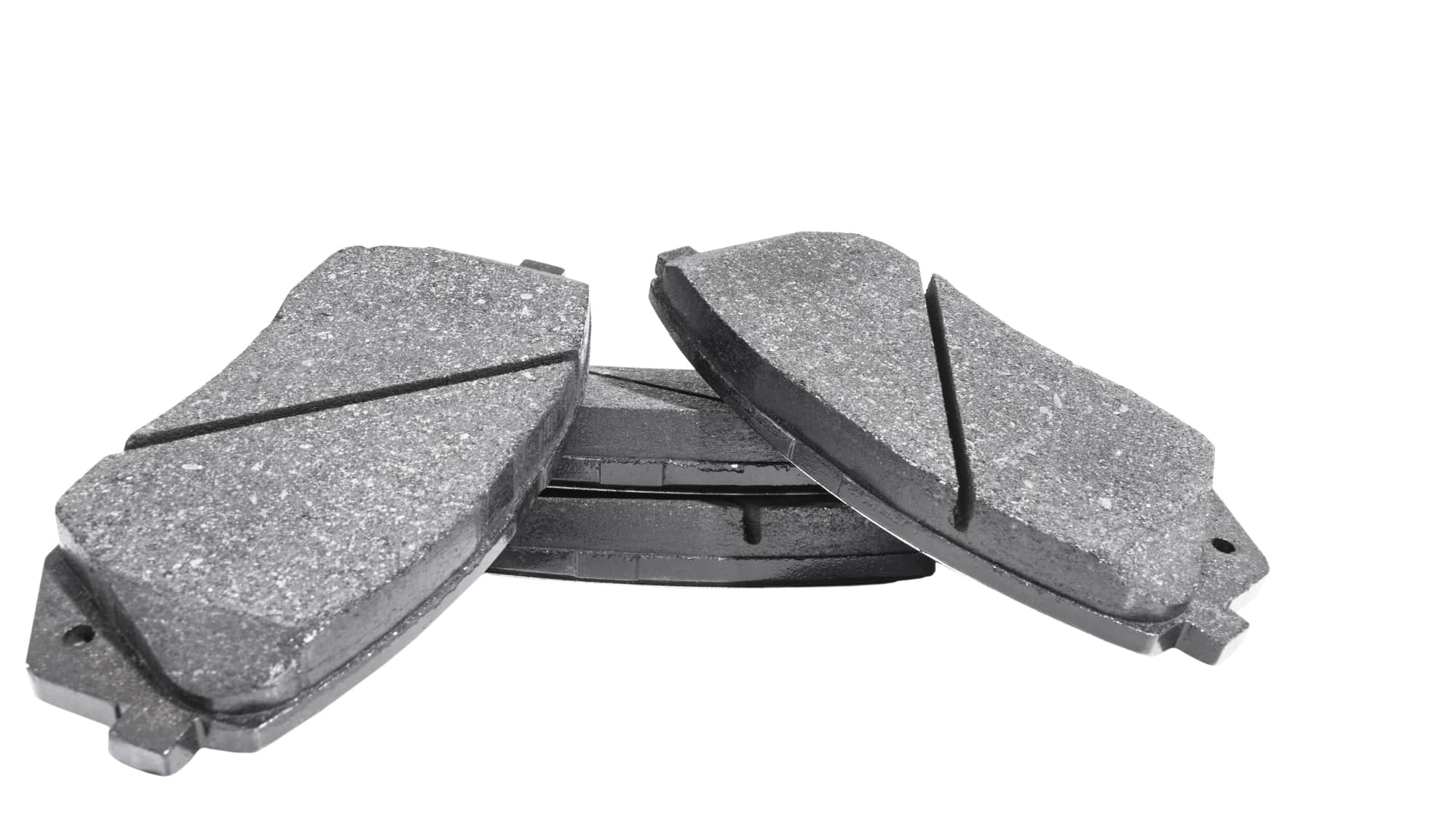
brake pads
One of the most common reasons for a consistent, high-pitched squeal is the brake pad wear indicator. This is a small metal tab attached to the brake pad. It’s specifically designed to make noise. When your brake pads wear down to a certain level, this metal tab makes contact with the brake rotor, creating a sharp squealing sound whenever you apply the brakes. This is your car’s way of telling you it’s time for new brake pads. Ignoring this sound can lead to more significant and expensive problems, so it’s a clear sign that a visit to a trusted mechanic for a brake repair inspection is necessary.
When Glazed Rotors and Pads Cause Noise
Another source of squeaking is glazed or hardened brake pads and rotors. This happens when the brake components are subjected to excessive heat from heavy or prolonged braking, such as driving down a steep mountain pass. The intense heat can cause the surface of the pads and rotors to crystallize and become smooth and glossy. This hardened surface doesn’t create the necessary friction for effective stopping, leading to reduced braking performance and a persistent squeal. If you notice your brakes are less responsive and making noise, it’s a good idea to have them inspected by professionals like the team at Pyle Automotive.
Debris and Dirt: A Simple but Common Culprit
Sometimes the cause of brake noise is as simple as a small rock or piece of debris getting caught between the brake pad and the rotor. This can cause a scraping or grinding sound that might come and go. While it may seem minor, this debris can score the rotor and damage the pad if not removed. A thorough cleaning of the brake assembly can often resolve this issue. If the noise persists after driving a short distance, a technician can safely remove the wheel and clear out any foreign objects.
Understanding Your Brake System Fluids

brake replacement
Your car’s ability to stop safely is directly linked to its hydraulic brake system, which relies on brake fluid. This fluid is critical because it transfers the force from your foot on the pedal to the brakes on your wheels. A low brake fluid level is a serious concern, as it could indicate a leak in the system, which compromises your ability to stop. It’s important to assess your brake fluid regularly. The reservoir is usually a small, translucent container in the engine bay with “Min” and “Max” lines. If the fluid level is low, or if it appears dark and murky, it may have absorbed moisture and needs to be replaced. For any concerns about brake fluid or potential leaks, seeking immediate attention from a qualified mechanic, such as the team at Pyle Automotive, is essential for your safety.
When Squeaking Signals a Bigger Problem
While worn pads are a common cause of squeaking, other sounds can indicate more severe issues. A deep grinding noise often means the brake pads have worn down completely, and the metal backing plate is now grinding against the rotor. This metal-on-metal contact can quickly destroy the rotor, turning a routine brake pad replacement into a much more expensive brake repair job. If you hear grinding, you should stop driving the car immediately and have it towed to a repair shop. Similarly, a pulsating or vibrating feeling in the brake pedal when you stop can suggest warped brake rotors, which will need to be resurfaced or replaced.
Trust the Professionals at Pyle Automotive
Navigating the world of automotive repairs can feel daunting, but you don’t have to do it alone. The sound of squeaky brakes is your vehicle’s way of communicating, and it’s important to listen. While some noises are temporary and harmless, others are direct warnings that your braking system needs professional attention. Ignoring them can jeopardize your safety and lead to costlier repairs down the road.
At Pyle Automotive, our experienced technicians are equipped to diagnose the exact cause of your brake noise. We can determine whether you simply need new pads, have a more complex issue like a warped rotor, or require a brake fluid flush. Don’t let uncertainty about squeaky brakes cause you stress. Schedule an inspection with us today by calling (801) 467-7455 to ensure your vehicle is safe, reliable, and ready for the road ahead.