
Winter car prep in Salt Lake City means checking your battery, swapping to winter-rated tires, topping off fluids, testing your brakes, and packing an emergency kit before the first snowfall. Pyle Automotive recommends scheduling a full inspection in early November, since Salt Lake City’s elevation and lake-effect snow create driving conditions that catch many residents off guard each year.
Salt Lake City winters aren’t gentle introductions to cold weather. Between lake-effect snowstorms rolling off the Great Salt Lake and the dramatic temperature swings that come with sitting at over 4,200 feet of elevation, local drivers face a unique set of challenges that flatland winter guides simply don’t address. One week you might be driving on dry pavement, and the next you’re navigating black ice on the way to work.
That’s why winter car prep matters so much here. A car that handles fine in October can become a liability once temperatures drop and roads turn slick. The team at Pyle Automotive has spent years helping Salt Lake City drivers get ahead of these seasonal risks, and this guide walks through exactly what that preparation should look like.
Why does winter hit Salt Lake City vehicles so hard?
Salt Lake City sits in a geographic sweet spot for brutal winter weather. The Great Salt Lake generates lake-effect snow that can dump several inches in a matter of hours, often with little warning. Combine that with the city’s elevation, and you get thinner air, colder nighttime temperatures, and roads that ice over faster than drivers expect.
This matters for car maintenance because cold air is denser than warm air, which means tire pressure drops as temperatures fall. Batteries also lose a significant portion of their cranking power in freezing conditions, and fluids that flow smoothly in summer can thicken or even freeze during a hard freeze. According to Pyle Automotive, these seasonal shifts are the leading cause of the breakdown calls the shop sees between November and February each year.
What should you check on your battery before winter arrives?

Car Maintenance Lights
A car battery loses roughly 35% of its strength at 32°F and as much as 60% at 0°F, according to the Car Care Council. That’s a steep drop, and it explains why so many no-start calls happen on the coldest mornings of the year rather than in the middle of summer.
Pyle Automotive suggests having your battery load-tested before winter rather than waiting for it to fail. A battery that’s three years or older is especially worth testing, since corrosion on the terminals and a slow decline in capacity often go unnoticed until the one morning you actually need full power. If your battery tests weak, replacing it in November costs far less than dealing with a tow truck during a January cold snap.
Do you really need winter tires in Salt Lake City?
This is one of the most common questions Pyle Automotive hears from local drivers, and the answer depends on where and how often you drive. All-season tires are built to handle moderate conditions, but they lose grip once temperatures drop below roughly 45°F, regardless of whether snow is actually on the ground. That’s because the rubber compound in all-season tires stiffens in the cold, reducing traction even on dry, cold pavement.
Choose winter tires if you regularly drive in the foothills, commute early in the morning before plows have cleared the roads, or spend much of your winter heading up the canyons for work or recreation. Choose a quality set of all-season tires with good tread depth if your driving is limited mostly to cleared city streets during daylight hours. Either way, Pyle Automotive recommends checking tread depth before winter begins, since tires with less than 4/32 of an inch of tread lose a meaningful amount of traction on snow and ice.
How do fluids affect cold-weather performance?
Your car relies on several fluids to function properly, and each one behaves differently once temperatures drop. Engine oil thickens in the cold, making it harder for your engine to turn over on a freezing morning, which is why many manufacturers recommend switching to a thinner winter-weight oil for the colder months. Coolant, often overlooked, needs the correct antifreeze-to-water ratio to prevent freezing inside the engine block, a problem that can cause expensive damage if ignored.
Windshield washer fluid deserves attention too. Summer-grade fluid can freeze solid in your reservoir and lines during a hard freeze, leaving you without the ability to clear road salt and grime off your windshield exactly when visibility matters most. Pyle Automotive includes a full fluid check as part of its seasonal inspection, catching these issues before they turn into bigger problems on the road.
What role do brakes play in winter safety?
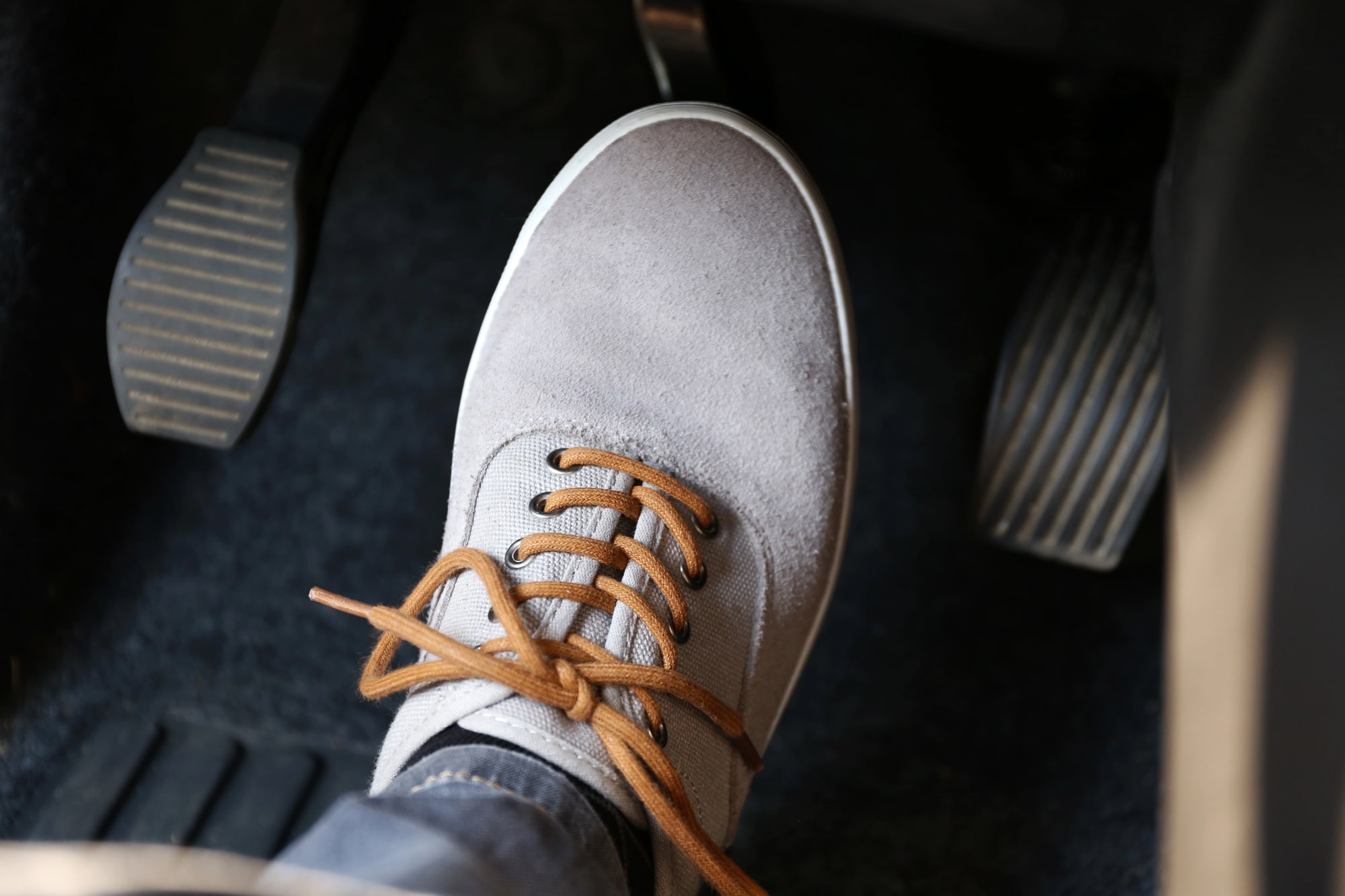
brake repair
Stopping distances increase dramatically on snow and ice, which makes brake performance one of the most important safety factors heading into winter. Worn brake pads that were adequate in dry summer conditions can become dangerously insufficient once roads turn slick.
Pyle Automotive recommends having your brake pads, rotors, and brake fluid inspected before the first snowfall rather than waiting for a warning sign like squealing or grinding. Brake fluid also absorbs moisture over time, and that moisture can lower the fluid’s boiling point, reducing braking performance during repeated stops on hilly terrain, something Salt Lake City drivers encounter constantly given the surrounding mountains.
What belongs in a winter emergency kit for Salt Lake City drivers?
Even a well-prepared vehicle can end up stuck or stranded during a bad storm, so having an emergency kit on hand matters as much as the mechanical prep itself. A solid kit should include a flashlight with extra batteries, warm blankets, gloves, a small shovel, sand or cat litter for traction under tires, jumper cables, and a portable phone charger. Keeping a few nonperishable snacks and water in the car is also wise, since Salt Lake City’s canyon routes can leave drivers waiting for help longer than expected during severe weather.
Pyle Automotive often reminds customers that preparation isn’t just about preventing a breakdown. It’s also about being ready if one happens anyway, especially on routes with limited cell service or infrequent traffic.
Start your winter car prep before the first storm hits
Winter car prep in Salt Lake City isn’t a one-time task you can knock out with a quick glance under the hood. It’s a combination of battery testing, tire evaluation, fluid checks, brake inspection, and basic emergency preparedness, all working together to keep you safe once snow and ice become part of daily driving.
Waiting until the first storm to think about any of this puts you at a disadvantage. Scheduling an inspection with Pyle Automotive in October or early November gives technicians time to catch and fix small issues before they turn into roadside emergencies. Salt Lake City winters are unpredictable, but your car’s readiness for them doesn’t have to be. Reach out today by calling (801) 467-7455.