
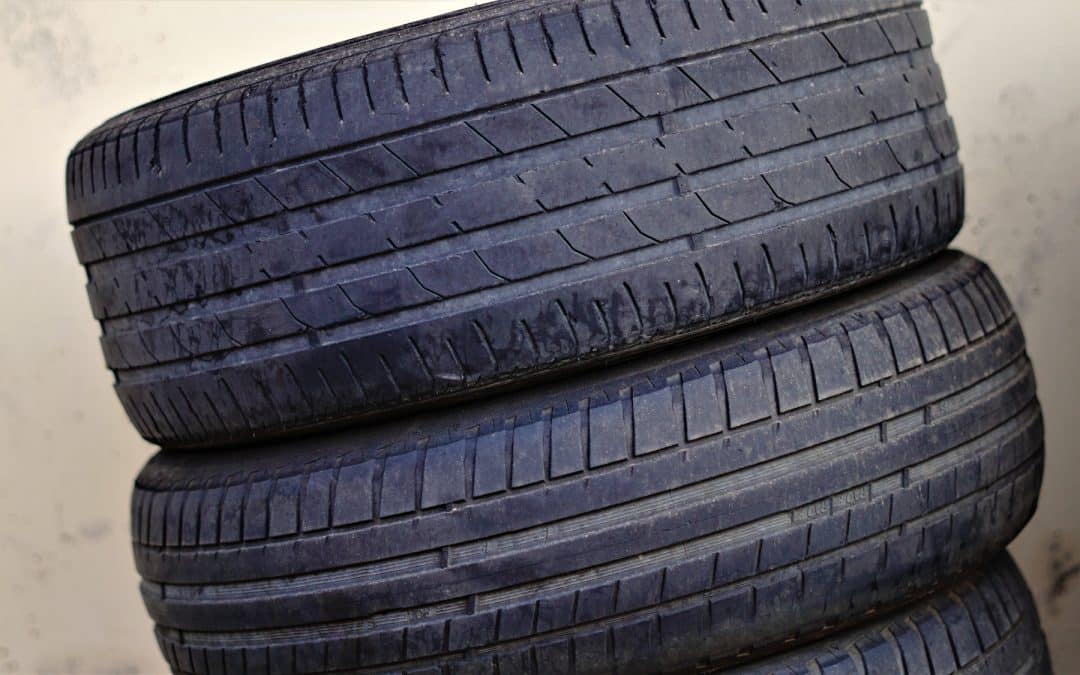
Proper tire maintenance—including regular pressure checks, rotation, alignment, and tread inspections—can significantly extend tire life, improve fuel efficiency, and reduce the risk of accidents. Pyle Automotive recommends drivers check their tires at least once a month to stay safe on the road.
Most drivers don’t think about their tires until something goes wrong. A sudden blowout on the highway. A flat in the grocery store parking lot. That unsettling pull to one side that’s been easy to ignore—until it isn’t. Tires are your vehicle’s only point of contact with the road, yet tire maintenance is one of the most overlooked aspects of car ownership.
The good news? Keeping your tires in top shape doesn’t require mechanical expertise. With the right knowledge and a consistent routine, you can extend the life of your tires, improve your fuel economy, and drive with greater confidence. At Pyle Automotive, helping drivers understand the basics of tire care is part of the mission—because well-maintained tires aren’t just a performance issue, they’re a safety issue.
Why Is Tire Maintenance So Important for Driver Safety?
Tires do more than support the weight of your vehicle. They control your braking distance, your handling in wet conditions, and your ability to accelerate without losing traction. According to the National Highway Traffic Safety Administration (NHTSA), tire-related crashes account for thousands of accidents each year in the United States—many of which are preventable with routine maintenance.
Worn or improperly inflated tires compromise grip on the road surface. When tread depth drops below the recommended 2/32 of an inch, a tire’s ability to channel water away from the contact patch deteriorates rapidly, dramatically increasing the risk of hydroplaning. The stakes are high, and the margin for error is thin.
How Does Tire Pressure Affect Performance and Safety?
Tire pressure is one of the simplest things to check and one of the most consequential things to get wrong. Underinflated tires flex more than they should, generating excess heat—one of the leading causes of tire failure. Overinflated tires, on the other hand, reduce the contact area with the road, which shortens braking distances and reduces overall handling precision.
The U.S. Department of Energy estimates that properly inflated tires can improve fuel efficiency by up to 3%. That might sound modest, but over the course of a year, the savings add up. Pyle Automotive advises drivers to check tire pressure at least once a month and always before long trips, using the vehicle manufacturer’s recommended PSI found in the owner’s manual or on the sticker inside the driver’s door—not the maximum pressure printed on the tire sidewall.
What Is Tire Rotation and How Often Should It Be Done?

Car Alignment and Suspension Near Me
Tires wear unevenly depending on their position on the vehicle. Front tires on front-wheel-drive cars, for example, bear the burden of both steering and acceleration, causing them to wear faster than rear tires. Regular rotation redistributes this wear, helping all four tires last longer and perform more consistently.
Most automotive experts, including the team at Pyle Automotive, recommend rotating tires every 5,000 to 7,500 miles—or roughly every time you get an oil change. Sticking to this schedule is one of the easiest ways to get more mileage out of a set of tires and avoid the premature replacement costs that come with neglect.
Why Does Wheel Alignment Matter for Tire Longevity?
Wheel alignment refers to the angle at which your tires make contact with the road. When alignment is off—even slightly—tires wear unevenly and your vehicle may pull to one side, making driving more physically demanding and less precise. Poor alignment can develop gradually after hitting a pothole, curb, or road debris, so drivers often don’t notice the shift right away.
Having your alignment checked annually, or after any significant impact, is a smart investment in tire health. Pyle Automotive’s alignment services help correct these imbalances before they accelerate tire wear or compromise handling. A properly aligned vehicle also reduces strain on suspension components, preventing a cascade of more expensive repairs down the road.
How Do You Know When It’s Time to Replace Your Tires?
The penny test is a well-known starting point: insert a penny into the tire’s tread groove with Lincoln’s head facing down. If you can see the top of Lincoln’s head, your tread is below 2/32 of an inch and the tire should be replaced immediately. For a more conservative safety margin, Pyle Automotive recommends the quarter test—if Washington’s head is fully visible, tread depth is below 4/32 of an inch, and replacement should be planned soon.
Beyond tread depth, drivers should inspect tires regularly for sidewall cracking, bulges, or visible damage. Tires also age chemically, even when they look fine. Most manufacturers and automotive safety organizations recommend replacing tires every six to ten years, regardless of tread wear, as rubber degrades over time and becomes prone to sudden failure.
What Role Does Tire Balancing Play in a Smooth and Safe Ride?
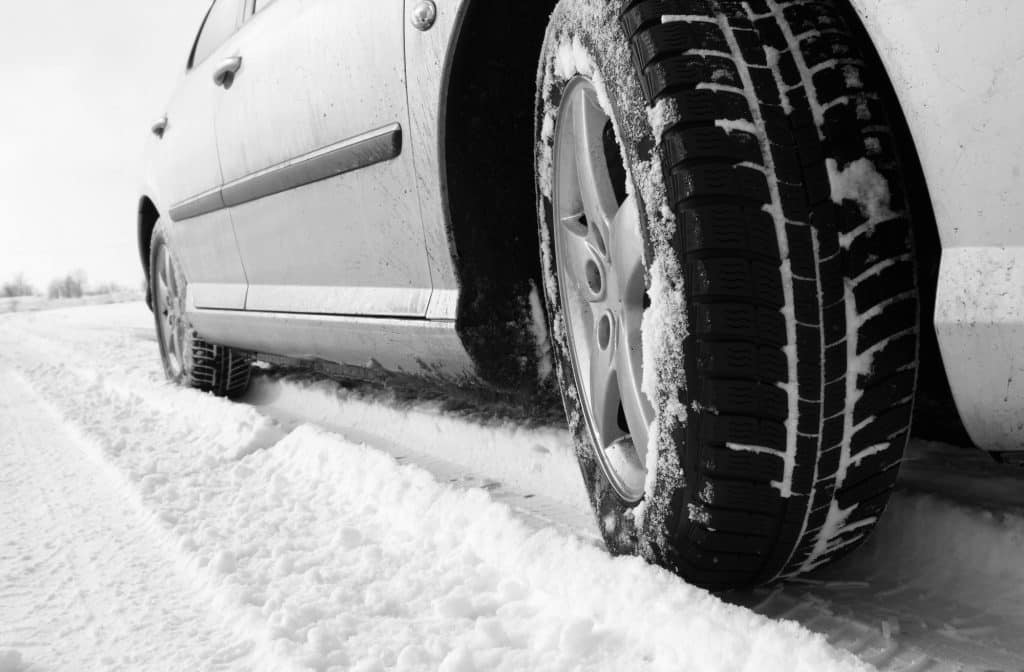
driving in snow
Tire balancing is often confused with alignment, but the two are distinct. Balancing corrects uneven weight distribution around a tire and wheel assembly. When tires are out of balance, drivers typically notice a vibration in the steering wheel or seat at certain speeds—a telltale sign that weight is not distributed evenly around the wheel.
Unbalanced tires cause uneven tread wear and put unnecessary stress on wheel bearings and suspension components. Pyle Automotive recommends having tires balanced every 5,000 to 6,000 miles, or whenever new tires are mounted. Addressing imbalances early prevents the kind of compounding wear that shortens tire life and degrades the driving experience.
How Does Seasonal Driving Affect Tire Maintenance Needs?
Temperature swings have a direct impact on tire pressure. For every 10°F drop in temperature, tire pressure decreases by approximately 1 PSI. This means drivers in colder climates need to monitor pressure more closely during fall and winter months, as tires that were correctly inflated in summer can become dangerously underinflated by December.
For drivers in regions with harsh winters, switching to winter tires offers a meaningful safety upgrade. Winter tires are engineered with softer rubber compounds and specialized tread patterns that maintain grip in cold temperatures, snow, and ice—conditions where all-season tires reach their performance limits. Pyle Automotive can help drivers assess whether seasonal tire changes make sense for their driving conditions and climate.
Your Tires Deserve More Attention Than They Get
Tire maintenance isn’t glamorous. It doesn’t come with the excitement of a new car purchase or the satisfaction of a freshly detailed exterior. But few things you do as a driver will have a greater impact on your safety, your fuel costs, and the longevity of your vehicle.
A monthly pressure check. A rotation every oil change. An annual alignment inspection. These small habits, supported by the expertise of a trusted shop like Pyle Automotive, are what separate drivers who react to problems from those who prevent them. Your tires carry everything—make sure you’re giving them the attention they deserve.
Visit Pyle Automotive to schedule your next tire inspection or call today (801) 467-7455 and keep your vehicle performing at its best.