

Regular vehicle maintenance—including oil changes, tire rotations, and brake inspections—can dramatically extend the life of your car, prevent costly repairs, and keep you safer on the road. Pyle Automotive helps drivers stay on top of every essential service to protect their investment for the long haul.
Your car is one of the most significant investments you’ll ever make. Yet most drivers only think about vehicle care when something goes wrong—when the check engine light flickers on, when the brakes start grinding, or when the engine sputters on a cold morning. By that point, what could have been a $50 fix has often turned into a $500 repair.
The good news? Most major mechanical failures are preventable. Regular vehicle maintenance is the single most effective thing you can do to protect your car, extend its lifespan, and avoid the kind of surprise breakdowns that derail your day—and your budget. At Pyle Automotive, keeping vehicles road-ready is more than a service; it’s a commitment to helping drivers get the most out of every mile.
Why Does Regular Vehicle Maintenance Matter So Much?
A car is a complex machine made up of thousands of moving parts, and every one of them experiences wear over time. Engine components, transmission fluid, brake pads, belts, and tires all degrade gradually. The difference between a car that lasts 100,000 miles and one that reaches 250,000 miles often comes down to how consistently it was maintained.
Neglecting routine service doesn’t just affect performance—it accelerates deterioration across multiple systems simultaneously. A dirty air filter strains the engine. Low coolant levels risk overheating. Worn tires compromise handling. Each issue compounds the next, creating a cascade of problems that could have been avoided with simple, scheduled care. Pyle Automotive’s approach to preventive maintenance is built around catching these small issues before they snowball into serious damage.
How Often Should You Change Your Oil?

oil change
Oil is the lifeblood of your engine. It lubricates moving parts, reduces friction, regulates temperature, and carries contaminants away from critical components. Over time, oil breaks down and loses its ability to do these jobs effectively—which is why oil changes are the cornerstone of any regular vehicle maintenance routine.
The old rule of thumb was every 3,000 miles, but modern vehicles and synthetic oils have changed the equation. Many manufacturers now recommend oil changes every 5,000 to 7,500 miles, with some synthetic formulations extending that interval to 10,000 miles or more. The key is following your vehicle’s specific guidelines rather than relying on a one-size-fits-all answer. The team at Pyle Automotive will review your manufacturer’s recommendations and driving conditions to determine the right interval for your vehicle—whether you’re putting in short city commutes or long highway hauls.
What Role Do Tire Rotations and Inspections Play in Vehicle Longevity?
Tires are your car’s only point of contact with the road, yet they’re often overlooked until a blowout or flat forces the issue. Uneven tire wear is one of the most common consequences of skipped maintenance, and it shortens tire life significantly—costing drivers hundreds of dollars in premature replacements.
Rotating your tires every 5,000 to 7,500 miles distributes wear more evenly across all four tires, maximizing their lifespan and ensuring consistent handling. Proper inflation matters just as much. Underinflated tires increase rolling resistance, reduce fuel efficiency, and generate excess heat—a leading cause of tire failure. Pyle Automotive includes thorough tire inspections with every routine service visit, checking pressure, tread depth, and alignment to keep your vehicle tracking straight and performing safely.
When Should You Have Your Brakes Inspected?
Brake maintenance is non-negotiable when it comes to safety. Brake pads wear down with every stop, and once the pad material wears thin, the metal backing begins grinding against the rotor—causing damage that turns a pad replacement into a full rotor replacement. That’s a cost difference that can exceed $300 to $400 per axle.
Most drivers should have their brakes inspected at least once a year, or every 12,000 miles. However, aggressive driving habits, heavy towing, or frequent stop-and-go traffic can accelerate wear considerably. Squealing, vibration during braking, or a longer stopping distance are all warning signs that shouldn’t be ignored. Pyle Automotive’s brake inspections are designed to catch wear early, saving drivers from both safety risks and avoidable repair costs.
How Do Fluid Checks and Filter Replacements Protect Your Engine?
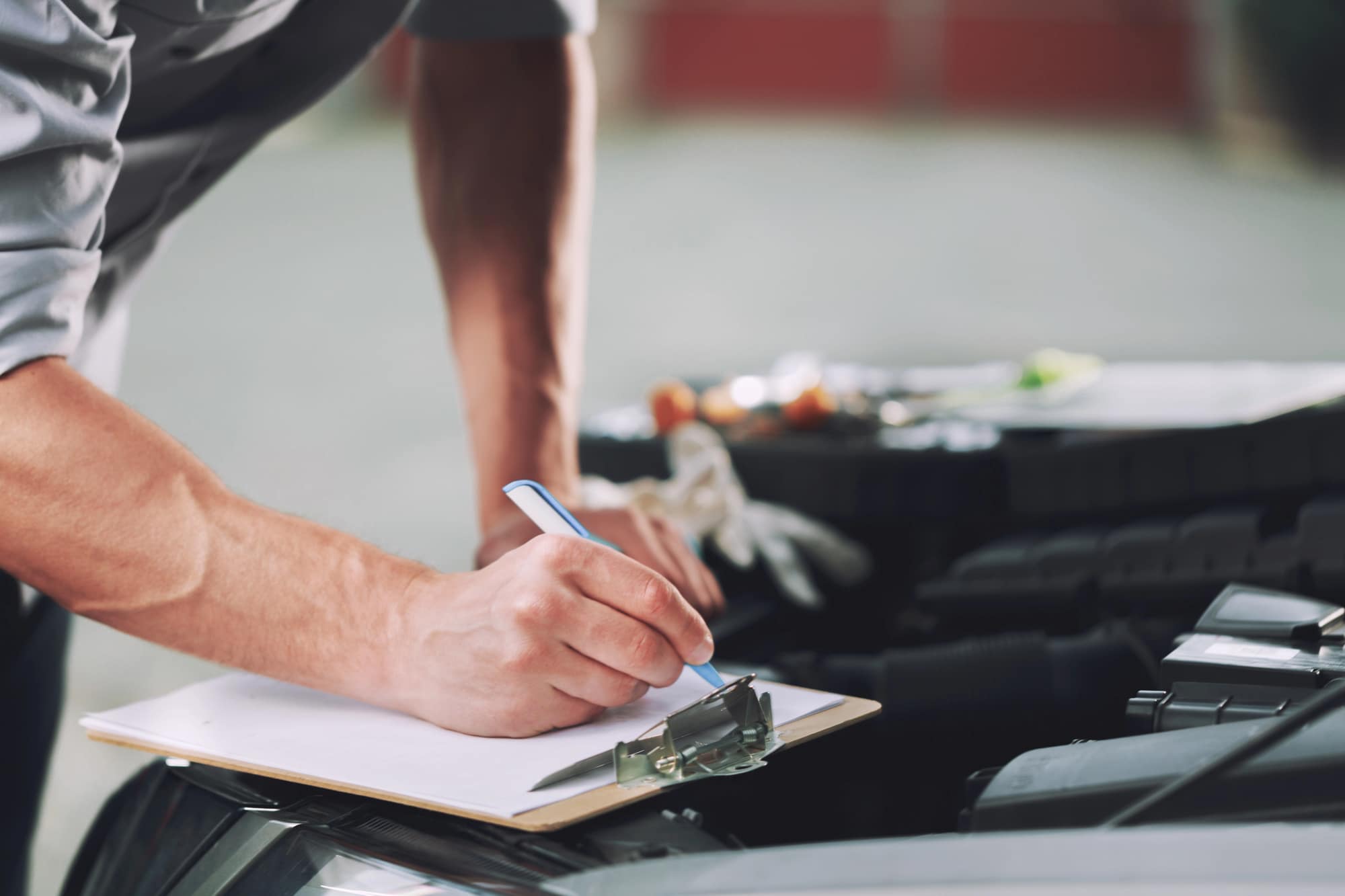
Beyond engine oil, a modern vehicle relies on several other fluids to function correctly—coolant, transmission fluid, power steering fluid, and brake fluid among them. Each serves a specific purpose, and each degrades over time. Coolant, for example, becomes acidic as it ages, and acidic coolant can corrode engine components from the inside out.
Transmission fluid is another often-overlooked essential. The transmission is one of the most expensive components in any vehicle, and running it on degraded fluid accelerates internal wear dramatically. Replacing transmission fluid at the recommended intervals—typically every 30,000 to 60,000 miles depending on the vehicle—can add years to the life of that system alone.
Air filters and cabin filters are equally important. A clogged engine air filter restricts airflow to the engine, reducing fuel efficiency and power output. A dirty cabin filter strains the HVAC system and reduces air quality inside the vehicle. Pyle Automotive performs comprehensive fluid and filter checks as part of every scheduled maintenance visit, ensuring nothing slips through the cracks.
Does Regular Maintenance Actually Save Money Over Time?
The short answer is yes—by a significant margin. A study by the Car Care Council found that drivers who follow recommended maintenance schedules spend far less on repairs over the life of their vehicles compared to those who defer routine service. Preventive maintenance costs a fraction of what reactive repairs demand.
Consider this: a timing belt replacement on most vehicles costs between $300 and $500. A snapped timing belt, by contrast, can cause catastrophic engine damage that runs into the thousands—or write off the vehicle entirely. The math strongly favors staying ahead of the maintenance schedule. Pyle Automotive helps customers track their service history and proactively schedule upcoming needs, so nothing gets forgotten and no repair catches them off guard.
What’s the Best Way to Build a Consistent Maintenance Schedule?
Building a reliable maintenance routine starts with your owner’s manual. Every vehicle comes with a manufacturer-recommended service schedule that outlines when specific components should be inspected, replaced, or serviced. Following that schedule is the most straightforward path to a long-lasting vehicle.
From there, partnering with a trusted automotive service provider makes consistency far easier. Pyle Automotive works with each customer to create a personalized maintenance plan based on their vehicle’s age, mileage, make, model, and driving habits. Rather than guessing when the next service is due, drivers receive reminders and clear guidance on exactly what their vehicle needs and when.
Keep Your Vehicle on the Road Longer With Pyle Automotive
A well-maintained vehicle doesn’t just last longer—it drives better, consumes less fuel, and holds its resale value far more effectively than one that’s been neglected. Regular vehicle maintenance is the most reliable investment a car owner can make, and the returns show up every time you turn the key.
Pyle Automotive is here to make that process simple, transparent, and stress-free. Whether you’re due for an oil change, a brake inspection, or a comprehensive multi-point service review, the Pyle Automotive team brings the expertise and attention to detail your vehicle deserves. Schedule your next service appointment today by calling (801) 467-7455 and give your car the care that keeps it running strong for years to come.