
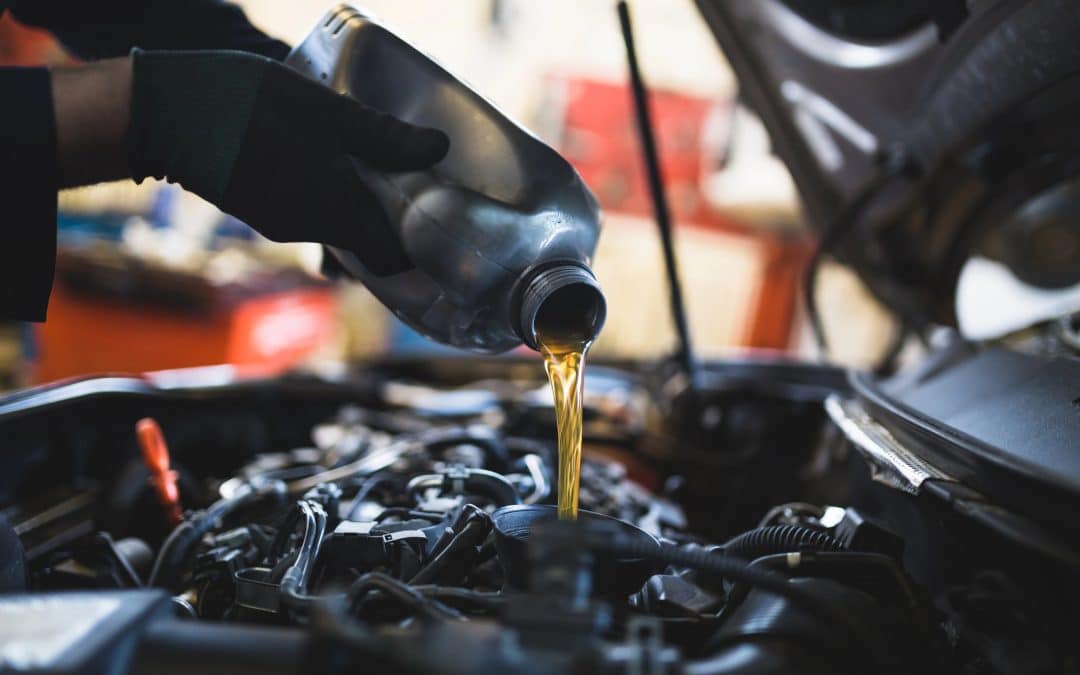
Regular oil changes are one of the most cost-effective ways to protect your engine from long-term damage. Skipping them leads to sludge buildup, overheating, and premature wear—repairs that can cost thousands of dollars. At Pyle Automotive, routine oil changes are the foundation of every vehicle maintenance plan.
Most drivers know they’re supposed to get their oil changed. And yet, it’s one of the most commonly delayed maintenance tasks on the list. Life gets busy, the reminder sticker on the windshield gets ignored, and before long, you’re thousands of miles overdue. It seems harmless—until it isn’t.
The reality is that regular oil changes do far more than keep your engine lubricated. They protect some of the most expensive components in your vehicle, extend the life of your car, and save you from repair bills that can run into the thousands. At Pyle Automotive, this is a message the team reinforces every single day, because the evidence is hard to argue with.
What Does Engine Oil Actually Do?
Engine oil is the lifeblood of your vehicle. As it circulates through the engine, it lubricates moving metal parts, reduces friction, carries away heat, and picks up contaminants like dirt, metal shavings, and combustion byproducts. Fresh oil does all of this efficiently. Old, degraded oil does not.
Over time, oil breaks down and becomes thick with contaminants. When this happens, it can no longer do its job effectively. Metal parts that should glide smoothly against each other start to grind. Temperatures rise. Seals dry out. The damage that follows is not a matter of if—it’s a matter of when.
How Skipping Oil Changes Leads to Engine Damage
The consequences of neglecting regular oil changes don’t always show up immediately, which is part of what makes them so dangerous. A car might run fine for weeks or even months after oil has degraded past its useful life. Then, one day, something gives.
One of the most common outcomes is engine sludge—a thick, tar-like buildup that forms when old oil oxidizes and mixes with contaminants. Sludge restricts oil flow through the engine, starving critical components of lubrication. Once sludge takes hold, it’s difficult and expensive to remove, and the damage it causes to bearings, camshafts, and pistons is often irreversible.
Overheating is another serious risk. Engine oil helps manage heat, and when it degrades, thermal regulation suffers. An engine running too hot puts enormous stress on gaskets, seals, and the cylinder head—all of which are costly to repair or replace. In severe cases, a blown head gasket or a warped cylinder head can sideline a vehicle entirely.
The Pyle Automotive team sees these outcomes regularly, and the consistent thread connecting them is straightforward: the vehicle hadn’t received regular oil changes on schedule.
What Does an Oil Change Actually Prevent?

oil change
Framing regular oil changes in terms of what they prevent—rather than what they do—makes the value clearer. A routine oil change at Pyle Automotive, which takes under an hour and costs a fraction of what most repairs do, protects against some of the most expensive engine failures a car owner can face.
Bearing damage is one example. Engine bearings allow the crankshaft and connecting rods to rotate smoothly. They depend on a consistent film of clean oil to function. When oil degrades or runs low due to neglect, bearings wear down rapidly. Replacing engine bearings typically requires removing and partially disassembling the engine—a labor-intensive job with a steep price tag.
Timing chain and camshaft wear is another. These components are lubricated by engine oil and are responsible for keeping the engine’s valves operating in sync. Degraded oil accelerates wear on these parts, and a failed timing chain can cause catastrophic engine damage in seconds.
Cylinder wall scoring—where metal-on-metal contact leaves deep scratches inside the engine—is also directly linked to poor lubrication from old or contaminated oil. Once cylinder walls are scored, the engine loses compression and burns oil, leading to a slow but steady decline in performance and efficiency.
How Often Should You Get an Oil Change?
The answer depends on your vehicle, the type of oil you use, and how you drive. Conventional oil typically requires changes every 3,000 to 5,000 miles, while full synthetic oil can often go 7,500 to 10,000 miles between changes. High-mileage vehicles, trucks used for towing, or cars driven in stop-and-go traffic may need more frequent changes.
The best source for this guidance is your owner’s manual—and the team at Pyle Automotive. Rather than following a one-size-fits-all rule, Pyle Automotive assesses each vehicle individually, taking into account driving conditions, oil type, and service history to recommend the right interval. That kind of personalized attention is what separates a genuine maintenance partner from a quick-stop shop.
The Real Cost Comparison: Oil Change vs. Engine Repair
Numbers tell the story clearly. A standard oil change at Pyle Automotive costs a small fraction of what even minor engine repairs run. A basic engine bearing replacement can cost anywhere from $1,500 to $3,000 in parts and labor. A blown head gasket repair typically falls in the $1,000 to $2,000 range. Full engine replacement, which becomes necessary when damage is severe enough, can exceed $5,000 to $10,000 depending on the vehicle.
Compare that to the cost of regular oil changes performed consistently over the same period, and the math is obvious. Preventive maintenance isn’t an expense—it’s an investment with a measurable return.
Why Pyle Automotive Makes Regular Oil Changes a Priority

Reliable Mechanic Salt Lake City
Pyle Automotive has built its reputation on honest, thorough automotive care. Regular oil changes are central to that philosophy—not because they’re a high-margin service, but because they’re genuinely one of the most impactful things a driver can do for their vehicle.
Every oil change at Pyle Automotive includes a multi-point inspection, so technicians can flag any developing issues before they become serious problems. It’s a proactive approach that reflects the shop’s commitment to keeping vehicles on the road longer and customers out of the repair bay.
The team at Pyle Automotive also takes the time to educate drivers. Knowing why regular oil changes matter—not just that they’re recommended—helps customers make better decisions about their vehicles between service appointments.
Protect Your Engine Before It’s Too Late
An engine is the most complex and expensive component of your vehicle. Protecting it doesn’t require complicated procedures or significant expense—just consistency. Regular oil changes, performed on schedule, are the single most reliable way to extend engine life, maintain performance, and avoid the kind of catastrophic failures that put vehicles out of commission.
If you can’t remember the last time your oil was changed, that’s the clearest possible sign it’s time to book an appointment by calling (801) 467-7455. Pyle Automotive is ready to get your vehicle back on the right maintenance track—before a small delay turns into a very large repair bill.