

Utah’s extreme temperature swings, high-altitude driving, and dry climate create a unique set of challenges for vehicles. The most common car problems Utah drivers face include battery failure, tire blowouts, brake wear, overheating, and transmission issues—all of which can be prevented or managed with regular maintenance from a trusted local shop like Pyle Automotive.
Utah is a beautiful state to drive through, but it’s not exactly gentle on vehicles. From the scorching summer heat in St. George to the icy mountain passes near Park City, Utah’s climate puts cars through a punishing cycle of extremes. Add in the state’s high elevation and long stretches of open highway, and you have a recipe for accelerated wear and tear. Knowing what to watch for—and who to turn to when something goes wrong—can save you time, money, and a lot of frustration on the road.
At Pyle Automotive, the team sees these issues day in and day out. What follows is a breakdown of the most common car problems Utah drivers encounter, and what you can do to stay ahead of them.
How Does Utah’s Climate Affect Car Battery Life?
Few car problems catch drivers off guard quite like a dead battery. Utah’s dramatic temperature swings are particularly hard on automotive batteries. Extreme heat accelerates the chemical reactions inside a battery, causing it to degrade faster than it would in a milder climate. Then, when winter rolls in and temperatures drop, a weakened battery struggles to generate the power needed to start a cold engine.
Most car batteries last between three and five years under normal conditions. In Utah, that window can shrink considerably. Pyle Automotive recommends having your battery tested at least once a year, especially heading into the colder months. Catching a failing battery early costs far less than a roadside breakdown.
Why Do Utah Roads Cause So Much Tire Damage?
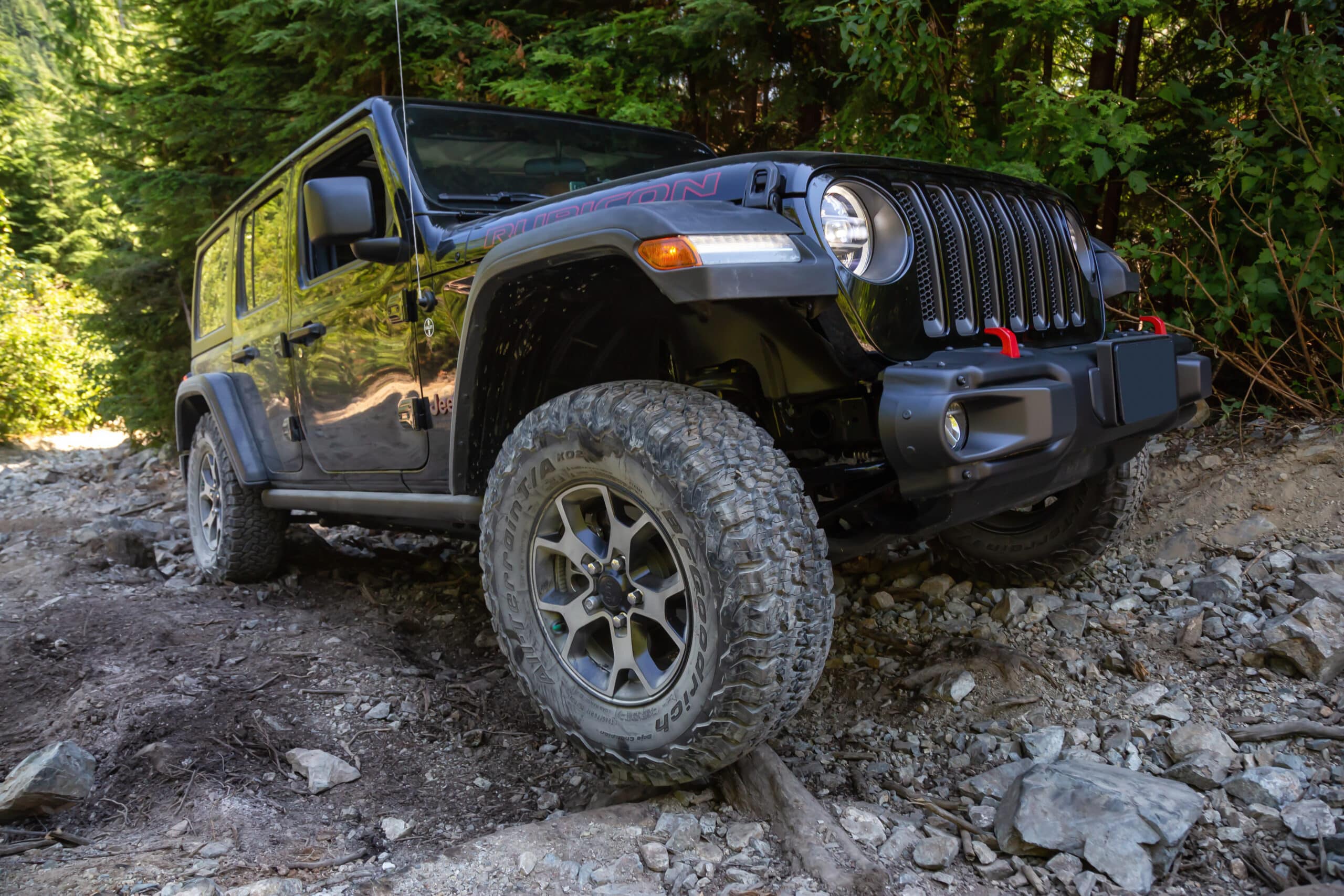
jeep repair salt lake city
Tire problems are among the most frequent issues Pyle Automotive’s technicians encounter. Utah roads offer a full spectrum of tire hazards—sun-baked asphalt that softens rubber compounds, rocky canyon roads that increase the risk of punctures, and winter conditions that demand proper tread depth and pressure management.
Tire pressure is a commonly overlooked factor. For every 10-degree drop in temperature, tires lose approximately one pound per square inch of pressure. In Utah, where overnight temperatures can fall dramatically even in late spring or early fall, tires can go from properly inflated to dangerously underinflated in a matter of hours. Underinflated tires wear unevenly, reduce fuel efficiency, and increase the risk of a blowout at highway speeds. Checking your tire pressure regularly—and keeping a set of all-season or winter tires on hand—goes a long way toward staying safe on Utah roads.
What Causes Brake Problems in Utah’s Mountainous Terrain?
Utah’s geography is breathtaking, but those steep descents off mountain highways place serious demands on a vehicle’s braking system. Brake fade—a reduction in stopping power caused by overheated brake pads and rotors—is a real risk for drivers who frequently navigate downhill grades without using engine braking to manage their speed.
Beyond mountain driving, Utah’s stop-and-go traffic in the Salt Lake Valley contributes to steady brake wear. Most brake pads need to be replaced every 25,000 to 70,000 miles depending on driving habits, pad material, and vehicle type. Warning signs include squealing or grinding noises, a pulsating brake pedal, or a vehicle that pulls to one side when stopping. Pyle Automotive’s technicians can inspect your brake system quickly and accurately, catching worn components before they become a safety hazard.
How Does High Altitude Affect a Car’s Engine Performance?
Utah’s elevation is one of the more unique variables affecting vehicle performance in the state. Salt Lake City sits at roughly 4,300 feet above sea level, and many popular routes climb well above 8,000 feet. At higher altitudes, the air is thinner, which means internal combustion engines receive less oxygen per intake cycle. The result is reduced power output and, in older vehicles, a higher risk of running rich—a condition where the fuel mixture contains too much fuel relative to the available oxygen.
Modern vehicles with fuel-injected engines compensate for altitude changes more effectively than older carbureted models, but high-altitude driving still places added strain on cooling systems. If your engine temperature gauge climbs higher than usual on mountain roads, that’s worth investigating. Coolant flushes, thermostat checks, and radiator inspections are all services Pyle Automotive provides to keep your engine running at the right temperature regardless of elevation.
Why Is Transmission Maintenance So Important for Utah Drivers?
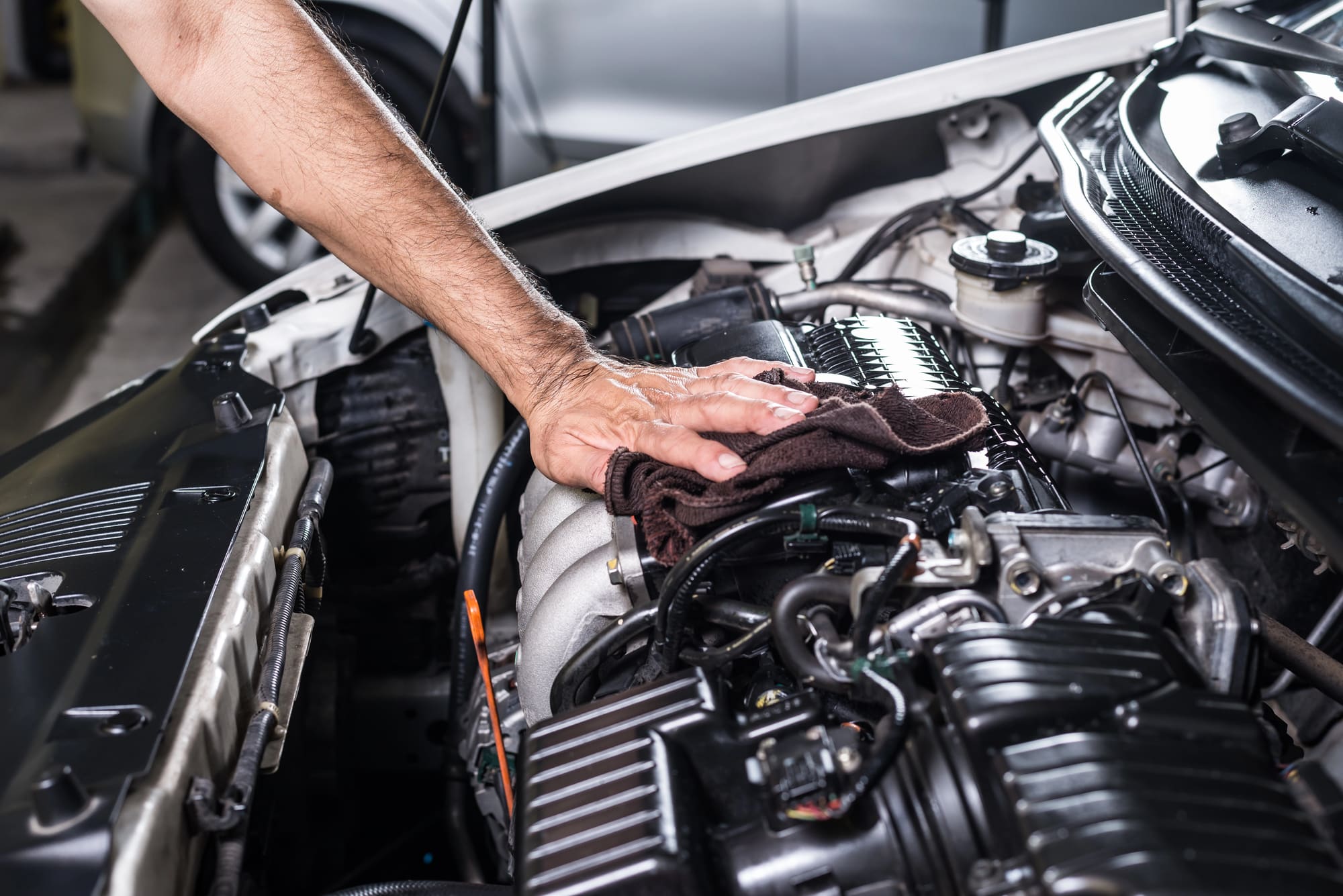
car engine
Transmission problems are among the most expensive common car problems drivers face—repairs can run anywhere from a few hundred dollars for a fluid flush to several thousand for a full rebuild or replacement. Utah’s mix of highway driving, stop-and-go urban traffic, and towing-heavy culture puts transmission systems under consistent pressure.
Automatic transmissions generate significant heat, and heat is their primary enemy. Transmission fluid breaks down over time, losing its ability to lubricate and cool the internal components effectively. Many manufacturers recommend a transmission fluid change every 30,000 to 60,000 miles, though this varies by vehicle and driving conditions. The team at Pyle Automotive often finds that drivers come in with transmission issues that could have been avoided with more consistent fluid maintenance. Catching it early makes a significant difference.
How Does Utah’s Dry Climate Damage a Car’s Belts and Hoses?
Utah’s low humidity is great for outdoor recreation, but it accelerates the deterioration of rubber components under the hood. Drive belts, timing belts, and coolant hoses are all vulnerable to the dry, UV-rich environment that defines much of the state. Rubber cracks and loses flexibility faster in arid climates, increasing the risk of a belt snapping or a hose splitting at the worst possible moment.
A snapped timing belt, in particular, can cause catastrophic engine damage in a matter of seconds. Pyle Automotive strongly advises Utah drivers to follow their manufacturer’s recommended replacement intervals for timing belts—typically between 60,000 and 100,000 miles—and to have belts and hoses visually inspected during routine service visits. A cracked hose costs a fraction of what a blown engine does.
Staying Ahead of Common Car Problems in Utah
Utah’s roads demand a lot from the vehicles that travel them. The good news is that most of the common car problems Utah drivers face are preventable with consistent, attentive maintenance. Battery checks, tire pressure monitoring, brake inspections, coolant system service, transmission fluid changes, and rubber component replacements are all routine services that pay dividends over time.
Pyle Automotive has been helping Utah drivers stay on the road safely and reliably. Whether you drive a daily commuter through the Salt Lake Valley or a truck that spends weekends hauling gear into the backcountry, the right maintenance schedule—tailored to Utah’s specific conditions—makes all the difference. Don’t wait for a warning light to tell you something is wrong. Schedule an inspection with Pyle Automotive by calling (801) 467-7455 and get ahead of the problems before they find you.