
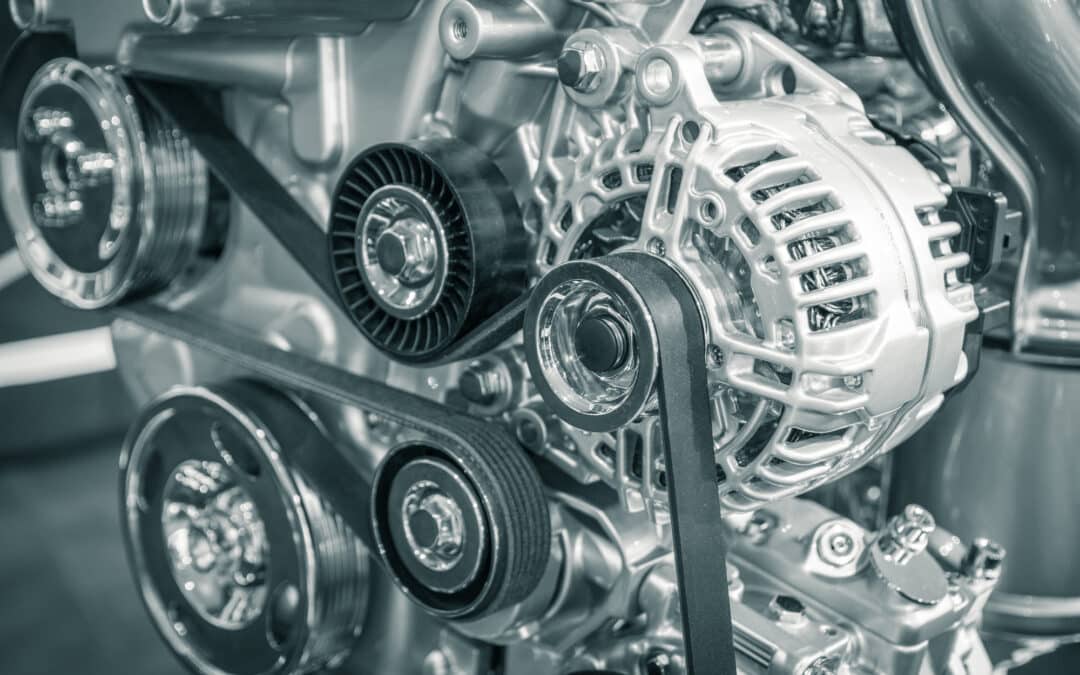
Your car’s timing belt might be one of the most crucial components under the hood, yet it’s often overlooked until something goes wrong. This rubber belt with reinforced teeth synchronizes the rotation of your engine’s crankshaft and camshaft, ensuring valves open and close at precisely the right moments during each cylinder’s intake and exhaust strokes. When your timing belt fails, the consequences can range from inconvenient to catastrophically expensive.
Understanding proper timing belt maintenance can save you thousands in engine repairs while keeping your vehicle running smoothly for years to come. The automotive experts at Pyle Automotive have seen firsthand how proactive timing belt care prevents major engine damage and extends vehicle life significantly.
Recognizing When Your Timing Belt Needs Attention
Most timing belts don’t announce their impending failure with obvious warning signs. However, experienced mechanics know what to look for during routine inspections. A healthy timing belt should appear smooth and flexible, without visible cracks, fraying, or missing teeth. The belt’s surface should maintain consistent thickness throughout its length.
Signs that indicate potential timing belt issues include unusual rattling noises from the engine compartment, particularly during startup or idle. Some drivers notice a high-pitched squealing sound that intensifies with engine speed. Visual inspection might reveal oil contamination on the belt, which accelerates deterioration and reduces the belt’s lifespan considerably.
Pyle Automotive technicians recommend having your timing belt inspected every 30,000 miles, even if your vehicle hasn’t reached the manufacturer’s recommended timing belt replacement interval. Early detection of wear patterns or damage allows for planned maintenance rather than emergency roadside repairs.
Understanding Replacement Intervals and Timing
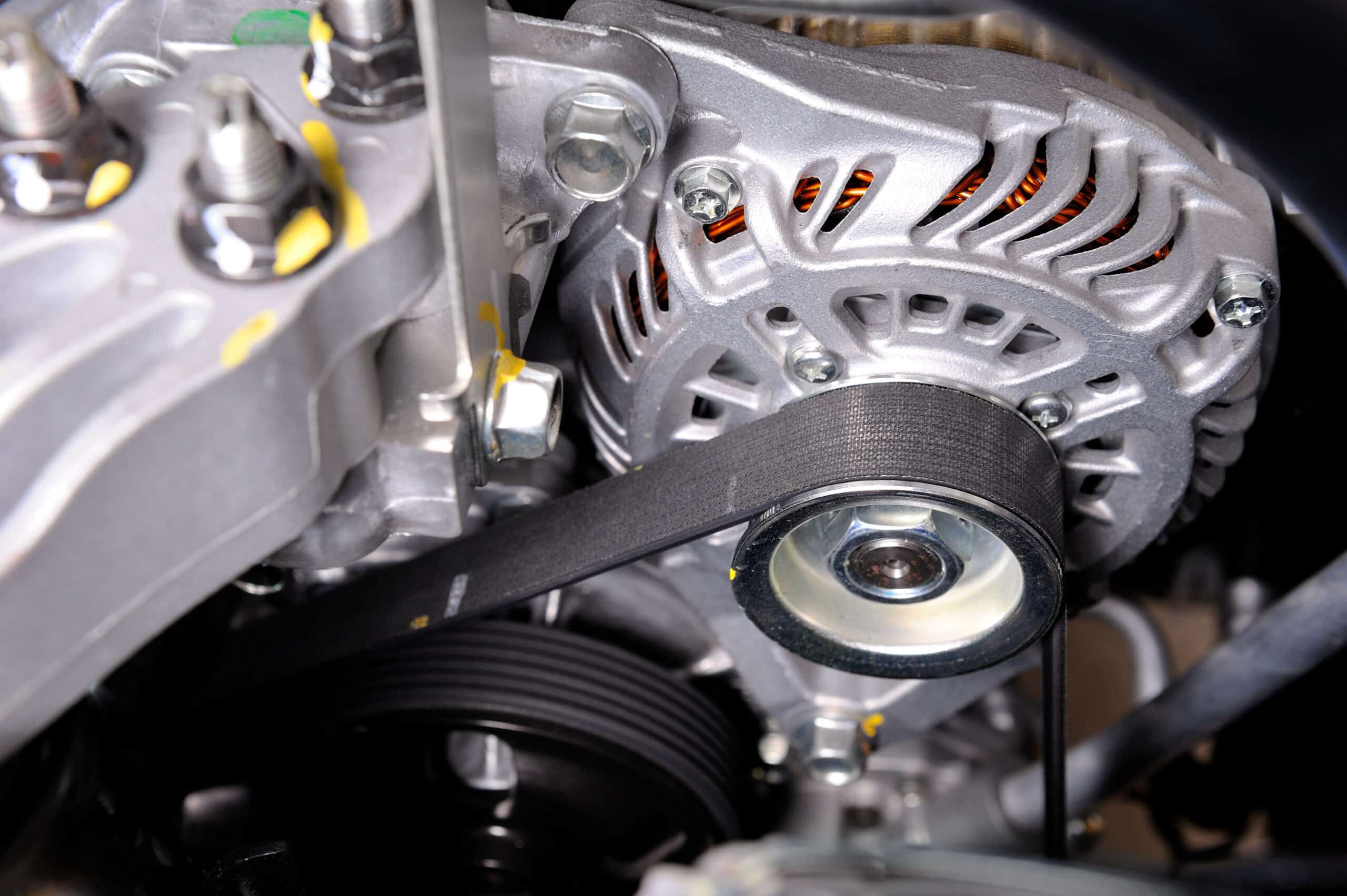
Timing Belt Replacement Service
Timing belt replacement intervals vary significantly between manufacturers and engine types. Most modern vehicles require timing belt replacement between 60,000 and 100,000 miles, though some newer engines extend this interval to 120,000 miles or more. However, these intervals assume normal driving conditions, which many drivers don’t actually experience.
Severe driving conditions accelerate timing belt wear considerably. Stop-and-go city driving, extreme temperatures, dusty environments, and frequent short trips can reduce your timing belt’s effective lifespan by 20-30%. Vehicles exposed to these conditions benefit from more frequent inspections and potentially earlier timing belt replacement.
The automotive professionals at Pyle Automotive emphasize that timing belt replacement isn’t just about the belt itself. This maintenance typically includes replacing the water pump, tensioner, and idler pulleys simultaneously. These components work together as a system, and replacing everything during one service prevents future failures and reduces overall labor costs.
Protecting Your Investment Through Proper Care
Proper timing belt maintenance extends beyond scheduled replacements. Regular engine oil changes prevent oil leaks that can contaminate and damage timing belts. Maintaining proper coolant levels and replacing coolant according to manufacturer specifications prevents overheating that can cause timing belt deterioration.
Engine bay cleanliness plays an important role in timing belt longevity. Accumulated dirt, debris, and oil create an environment that accelerates belt degradation. Professional engine cleaning during routine maintenance helps identify potential issues early while removing contaminants that could damage timing belt components.
Pyle Automotive’s experienced technicians understand that timing belt maintenance requires specialized knowledge and tools. Proper belt installation involves precise timing marks and specific torque specifications. Incorrect installation can result in immediate engine damage or premature belt failure, making professional service essential for this critical repair.
Making Smart Maintenance Decisions

Auto Repair Near Me Millcreek UT
When considering timing belt replacement, vehicle age and overall condition influence the decision significantly. For older vehicles approaching the end of their useful life, timing belt replacement might not provide adequate return on investment. However, for well-maintained vehicles with many miles remaining, timing belt replacement represents excellent preventive maintenance.
The cost of timing belt replacement varies based on engine design and accessibility. Some engines require extensive disassembly to access timing belt components, increasing labor time and cost. However, this expense pales compared to potential engine damage from timing belt failure, which can require complete engine rebuilding or replacement.
Your Next Steps for Engine Protection
Timing belt maintenance doesn’t have to be complicated or stressful when you work with knowledgeable professionals. Schedule a timing belt inspection with Pyle Automotive to assess your vehicle’s current condition and determine the optimal maintenance schedule for your driving conditions. Their experienced technicians can provide detailed explanations of your timing belt’s condition and help you plan for future maintenance needs.
Don’t wait for timing belt failure to address this critical maintenance item. Proactive timing belt replacement protects your engine investment while ensuring reliable transportation when you need it most. Reach out by calling (801) 467-7455 today.