
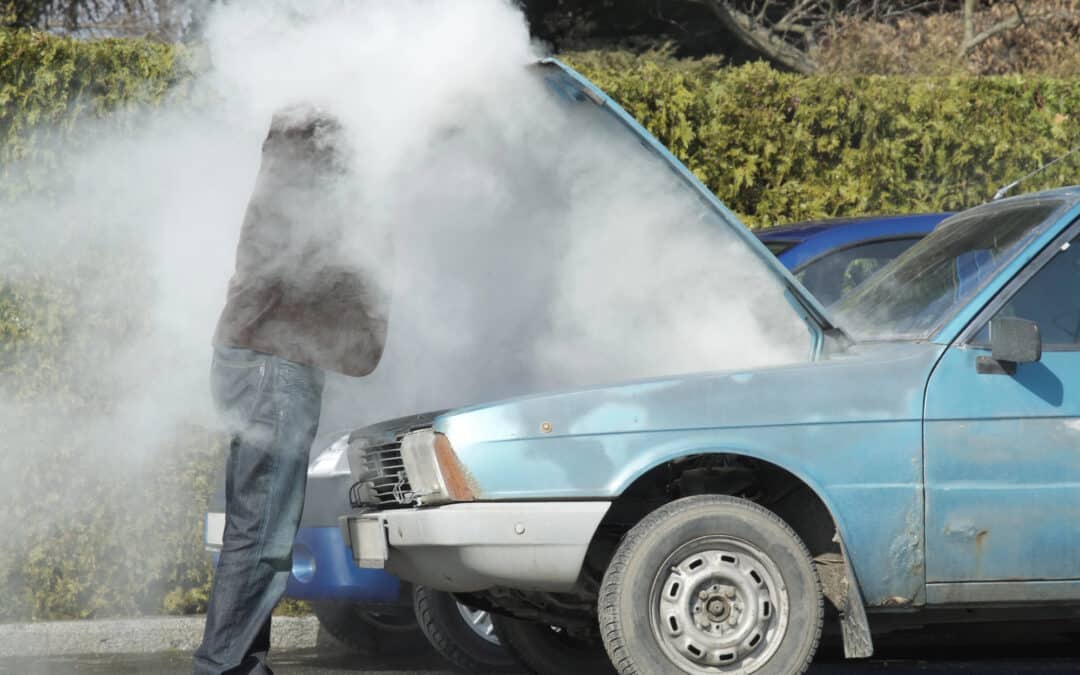
Seeing the temperature gauge on your dashboard spike into the red zone creates an immediate feeling of dread for any driver. You might notice steam billowing out from under the hood or catch a whiff of a strange, sweet odor entering the cabin. These are the telltale signs that your engine is running too hot, and panic is often the first reaction. However, knowing how to respond calmly and correctly can save your engine from catastrophic damage and keep you safe on the side of the road.
Engine overheating is a serious issue that requires prompt attention, but it does not have to result in a total vehicle loss. Understanding the mechanics behind why a car overheats allows you to make smarter decisions in the heat of the moment. Whether you are stuck in stop-and-go traffic or cruising down the highway, having a plan of action is essential.
Pyle Automotive understands the stress that comes with vehicle troubles. Our team often sees drivers who continued driving despite the warning signs, turning a minor repair into a major engine overhaul. This guide outlines exactly what you should do to manage the situation safely and effectively, ensuring you get back on the road with minimal hassle.
Immediate Steps to Take While Driving
The moment you suspect your car overheats, your primary goal shifts to reducing the engine temperature and finding a safe place to stop. If you cannot pull over immediately due to traffic or road conditions, you should turn off your air conditioner right away. The AC system puts a significant load on the engine, and shutting it off removes some of that strain.
Counterintuitively, the next move is to turn on your heater and blower to the highest setting. While this might be uncomfortable on a hot summer day, the heater core acts as a secondary radiator. Blasting the heat draws thermal energy away from the engine block and into the passenger cabin, which can help lower the engine temperature just enough to prevent permanent damage while you look for a spot to pull over.
Once you find a safe location, pull off the road completely. Pyle Automotive advises drivers to prioritize safety over convenience. Do not try to make it to the next exit if your gauge is pinned in the red. Stop the car, put it in park, and turn off the engine immediately. This stops the combustion process and prevents the engine from generating any more heat.
The Importance of Waiting It Out
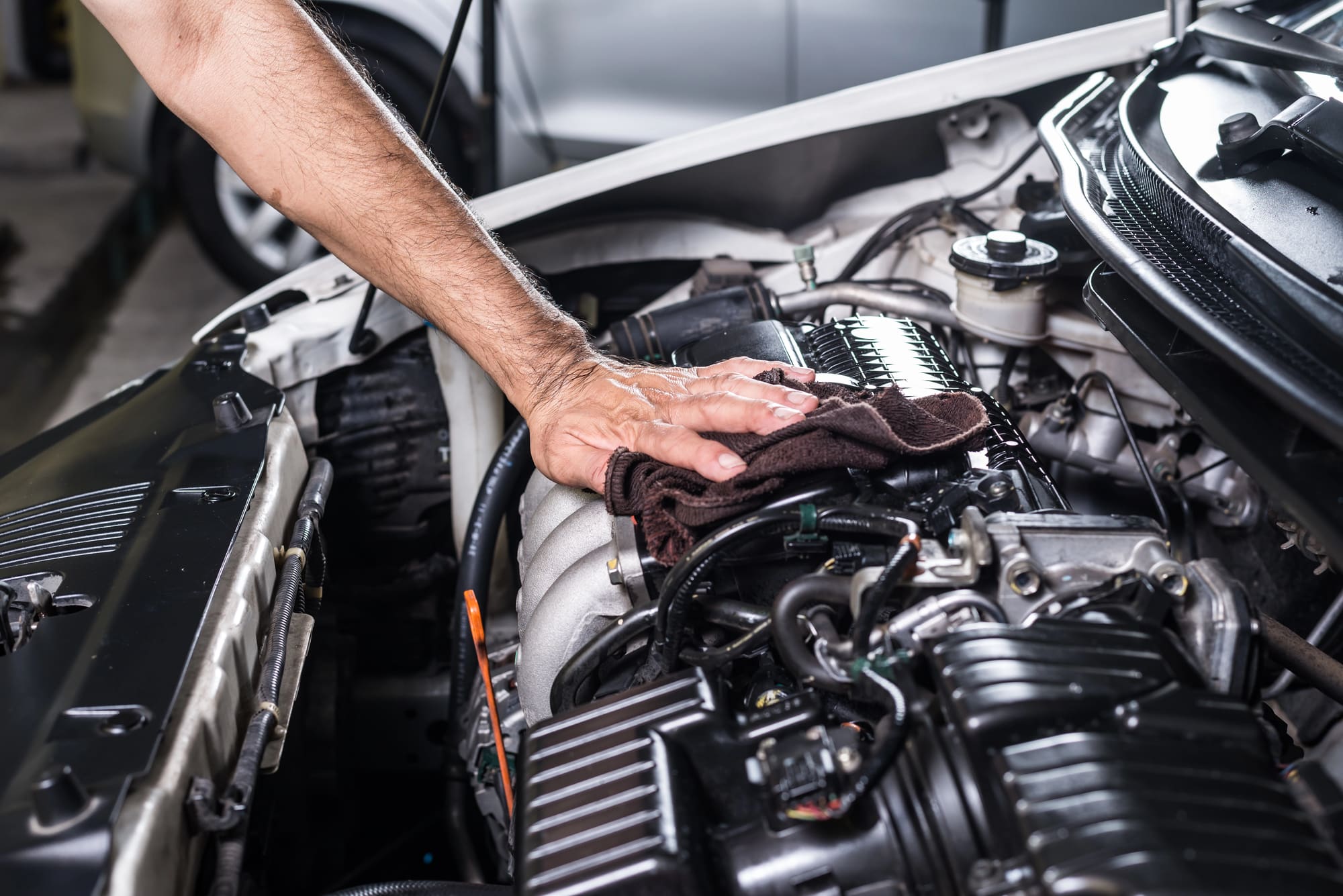
car engine
Patience is your most valuable tool once the engine is off. The most dangerous mistake a driver can make is attempting to open the radiator cap while the engine is still hot. The cooling system is under immense pressure, and opening the cap can cause boiling coolant and steam to erupt, leading to severe burns. You must wait for the engine to cool down completely, which typically takes at least 15 to 30 minutes.
During this waiting period, you can observe the vehicle without touching anything under the hood. Look for steam clearing away and listen for any hissing sounds that might indicate a burst hose. If you have roadside assistance, this is the perfect time to make that call. Pyle Automotive suggests using this downtime to assess your location and safety rather than tinkering with a dangerously hot machine.
Checking Your Coolant Levels Safely
After the engine feels cool to the touch, you can pop the hood to investigate further. Locate the coolant reservoir, which is usually a translucent plastic tank near the radiator. You should be able to see the liquid level without opening the cap. If the level is below the minimum line, your car likely overheated due to a lack of coolant.
If you have water or coolant in your trunk, and the engine is cool enough, you can add fluid to the reservoir. This might be enough to get you to a nearby service station or to Pyle Automotive for a thorough inspection. However, if the reservoir is completely empty or you see a puddle of colorful liquid underneath the car, you likely have a significant leak. In this case, attempting to drive further could ruin your engine, and calling for a tow is the wiser choice.
Common Reasons Why a Car Overheats
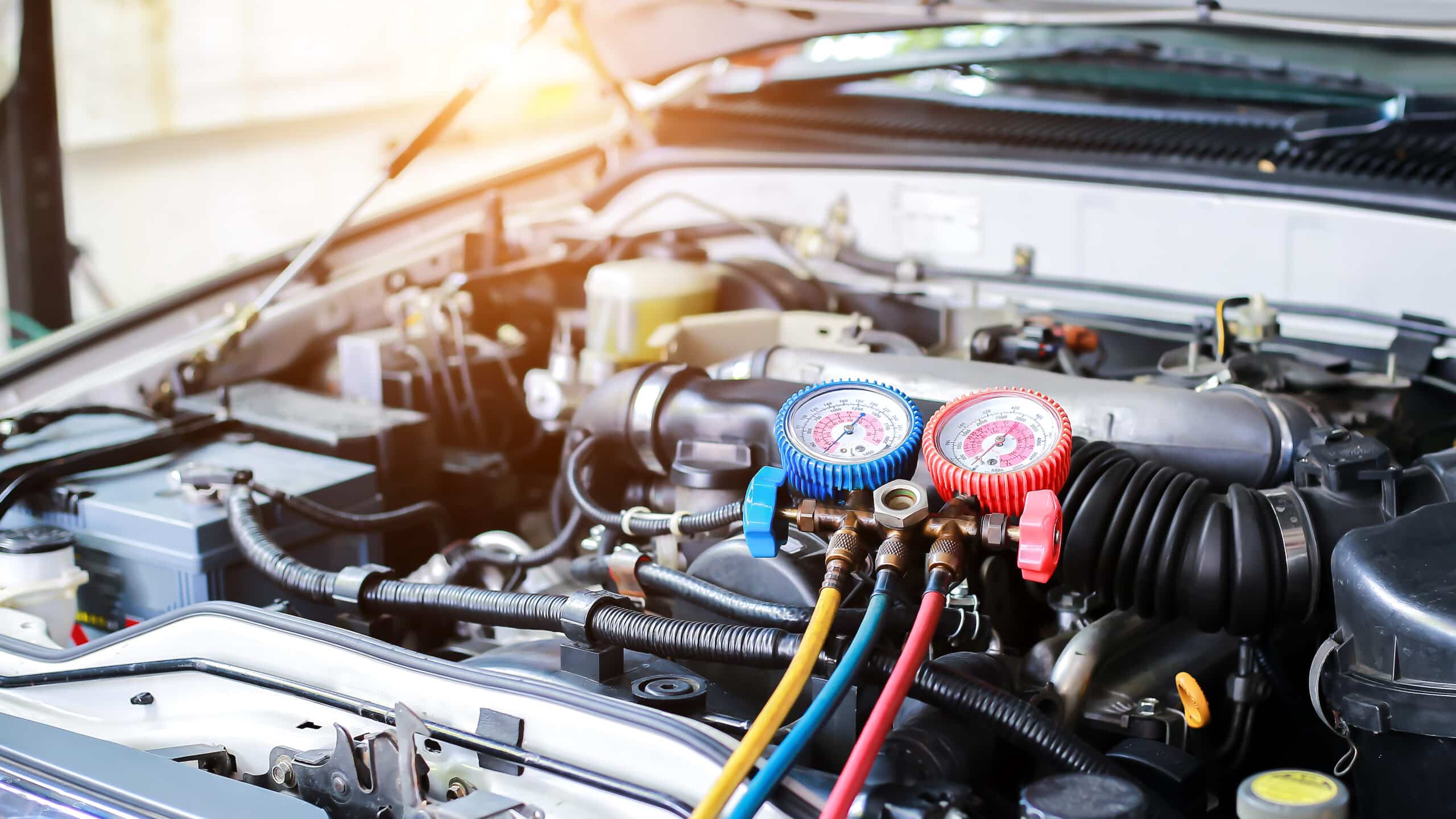
Auto Repair Near Me West Jordan UT
Understanding the root cause of the problem helps in preventing future incidents. One of the most frequent culprits is a leak in the cooling system. Radiator hoses can crack over time, or the radiator itself might sustain damage from road debris. When the system loses pressure and fluid, it can no longer effectively cycle coolant to regulate the engine’s temperature.
Another common issue is a malfunctioning thermostat. This small valve controls the flow of coolant between the engine and the radiator. If it gets stuck in the closed position, hot coolant remains trapped in the engine block, causing temperatures to skyrocket rapidly. Similarly, a broken radiator fan can cause overheating, especially when the car is idling in traffic, as there is no airflow moving through the radiator to cool the fluid.
Pyle Automotive also frequently diagnoses issues with the water pump. This component is the heart of the cooling system, responsible for circulating the fluid. If the pump fails or the drive belt snaps, the coolant sits stagnant, and the engine overheats in a matter of minutes.
Prevention and Maintenance
The best way to avoid being stranded on the shoulder of the highway is through proactive maintenance. Regular inspections can catch worn hoses, low fluid levels, and aging belts before they fail. Your vehicle’s cooling system requires periodic flushing to remove old fluid that has lost its protective properties and to clear out any sediment that could cause blockages.
Pyle Automotive recommends following the manufacturer’s maintenance schedule for your specific vehicle. A simple check during your routine oil change can identify a potential problem before it leaves you stranded. Keeping an eye on your temperature gauge as part of your normal driving habit also helps you spot trends, such as the car running slightly hotter than usual, which can serve as an early warning system.
Keep Your Cool and Call the Pros
Experiencing an overheating engine is stressful, but reacting correctly mitigates the risk to your safety and your wallet. By pulling over immediately, using the heater to dissipate heat, and waiting for the engine to cool, you avoid the most severe consequences of thermal failure. Remember that the cooling system is pressurized and dangerous when hot, so caution is always necessary.
If you find yourself facing cooling system troubles, do not hesitate to seek professional help. Pyle Automotive has the expertise to diagnose whether your vehicle needs a simple hose replacement or a more complex repair. Regular maintenance is your best defense against overheating, ensuring your car remains reliable for every journey. Reach out today by calling (801) 467-7455