
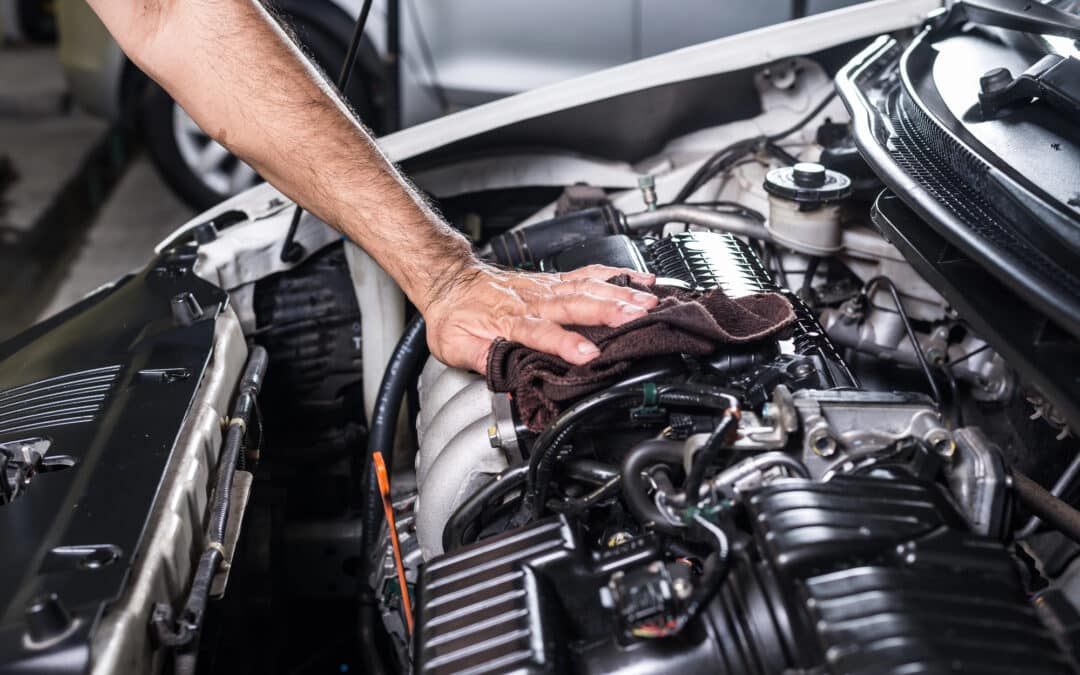
Utah summers are known for their dry heat and stunning landscapes. While perfect for road trips, these high temperatures can be tough on your vehicle. One of the most common issues drivers face is an overheating engine. Seeing steam pour from under your hood can be alarming, but knowing how to react can prevent serious damage and keep you safe. This guide will walk you through the essential steps to take if your car overheats, and how Pyle Automotive can help you avoid this situation altogether.
Turn Off the Air Conditioning and Turn On the Heat
This might seem like the last thing you want to do in the middle of a hot Utah summer, but it’s a crucial first step. Your car’s air conditioning system puts a significant strain on the engine. By turning it off, you immediately reduce some of that load. Next, turn your car’s heater on full blast. The heater core acts like a small, secondary radiator, pulling heat away from the engine and releasing it into the cabin. It will be uncomfortable for a few minutes, but it’s an effective way to help cool the engine down.
Find a Safe Place to Pull Over
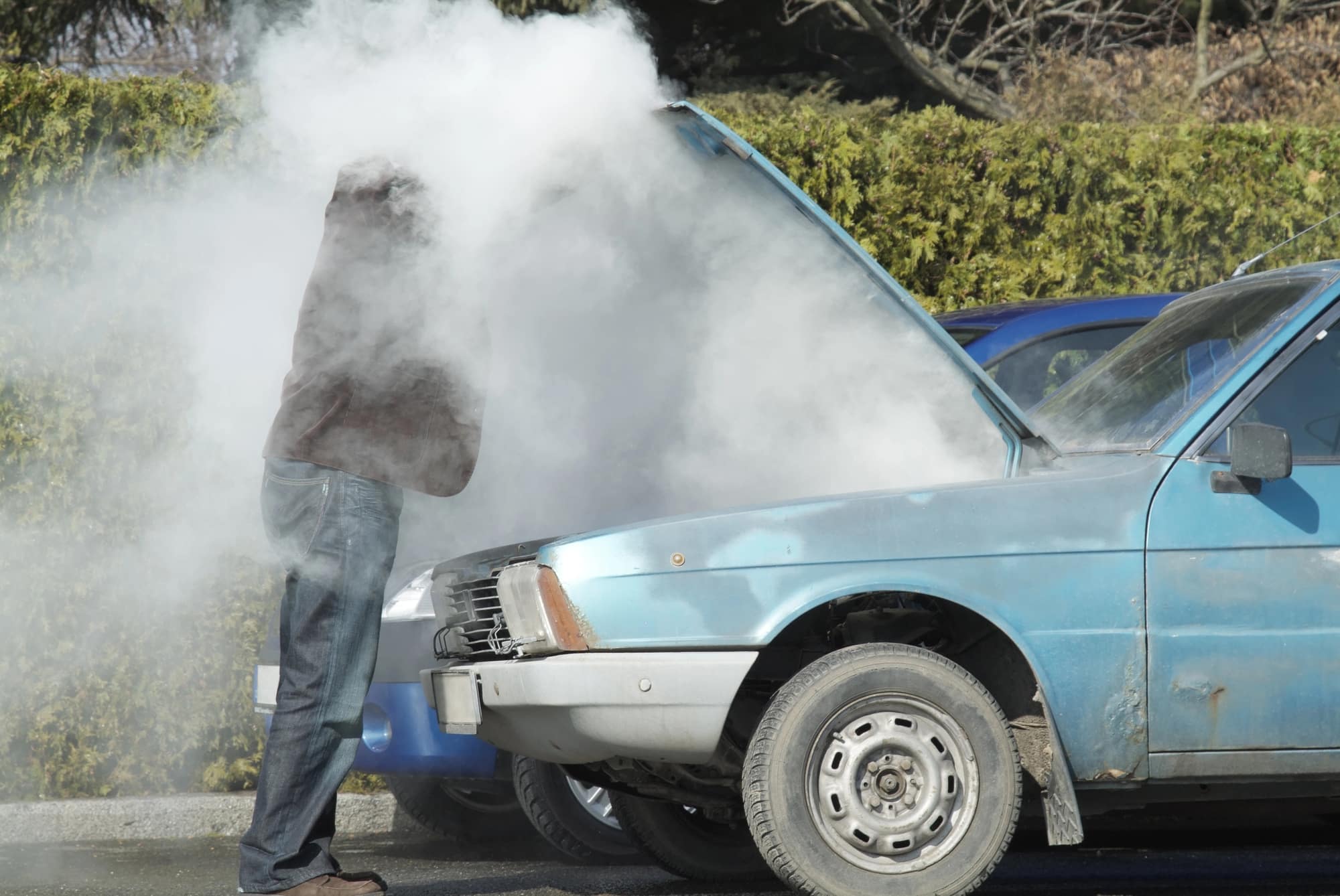
car overheating
As soon as you notice the temperature gauge climbing into the red or see steam coming from the engine, find a safe spot to pull over. Continuing to drive when your car overheats can lead to catastrophic engine damage, turning a manageable problem into an expensive repair. Look for a shoulder, a parking lot, or a side street where you can safely stop away from traffic. Once you’ve pulled over, turn off the engine completely.
Let the Engine Cool Down
After you’ve turned off the car, the most important thing to do is wait. An overheated engine is extremely hot, and attempting to open the hood or check fluids immediately can result in severe burns. Pop the hood release from inside your vehicle, but do not open it all the way just yet. Allow at least 15-30 minutes for the engine to cool down. This is a good time to call for roadside assistance or contact a trusted mechanic, like the team at Pyle Automotive, to get advice on your next steps.
Check the Coolant Level
Once the engine has had ample time to cool and is no longer steaming, you can carefully open the hood. Locate the coolant reservoir, which is usually a translucent plastic tank near the radiator. If the coolant level is low, it’s a likely cause of your car overheating. If you have extra coolant with you, you can top it off. If not, water can be used as a temporary solution to get you to a service station. Never open the radiator cap when the engine is hot, as the system is pressurized and can spray scalding fluid.
Get Professional Help from Pyle Automotive
Auto Maintenance and Care
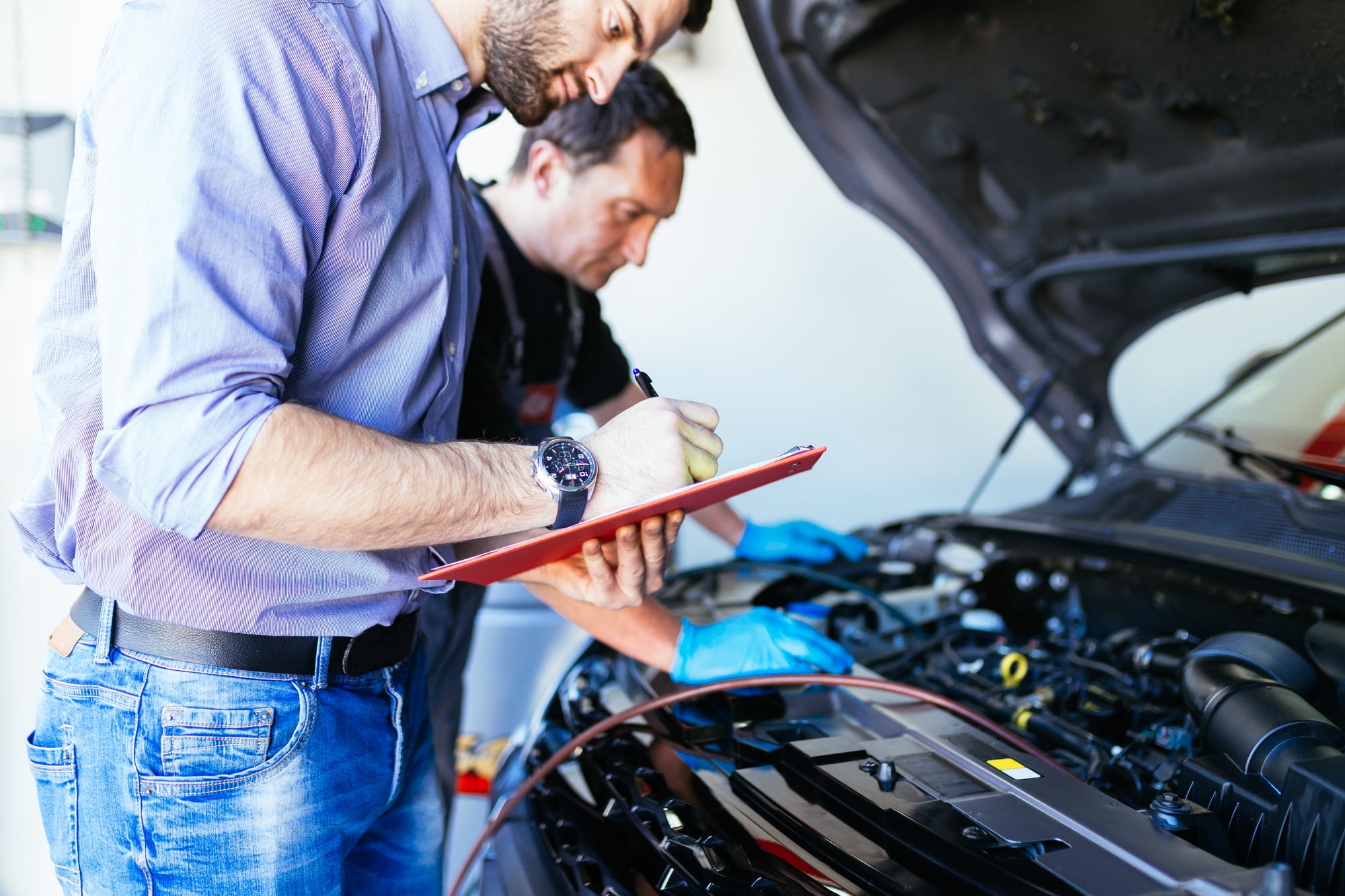
While adding coolant might temporarily solve the problem, an overheating engine often points to a deeper issue. It could be a leak in the cooling system, a faulty water pump, a broken thermostat, or a blocked radiator. Instead of risking further damage, it’s best to have your vehicle inspected by professionals. The experienced technicians at Pyle Automotive can diagnose the root cause of why your car overheats and perform the necessary repairs to get you back on the road safely. Regular maintenance at Pyle Automotive is the best prevention, ensuring your cooling system is in top shape before the summer heat hits.
Your Next Steps
Dealing with an overheating car can be stressful, but by following these steps, you can handle the situation safely and effectively. The best strategy, however, is prevention. Before your next summer road trip, schedule a visit with Pyle Automotive to have your cooling system checked. It’s a small step that can save you from major headaches down the road. Reach out if emergency strikes by calling (801) 467-7455.