
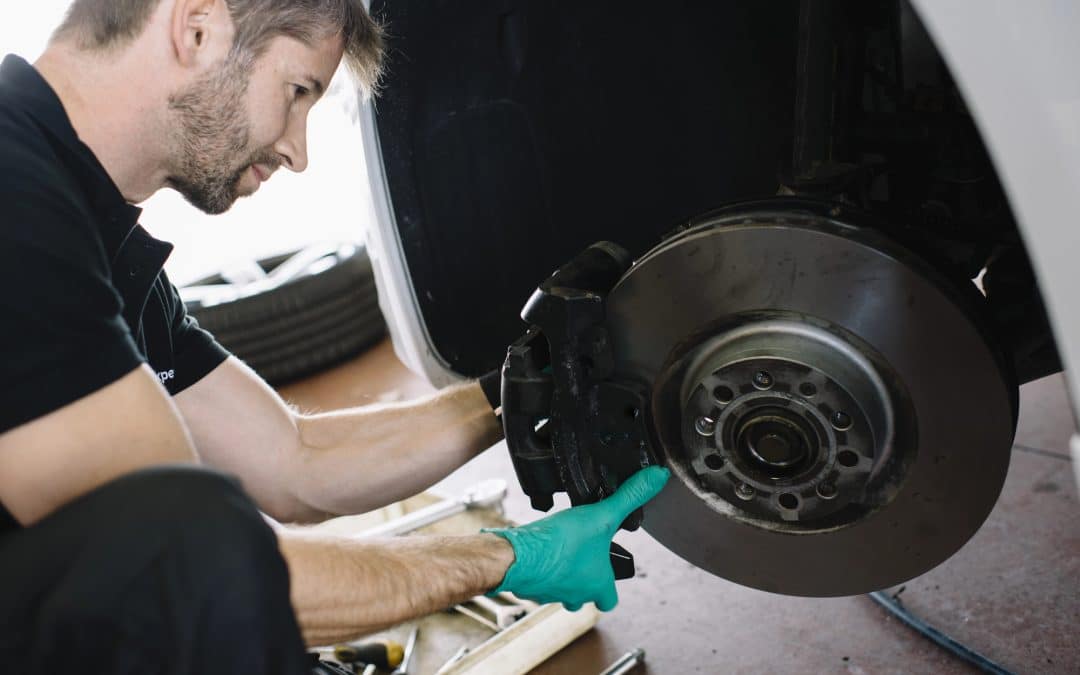
You should replace your brakes when you notice squealing or grinding noises, a soft or vibrating brake pedal, longer stopping distances, or a dashboard warning light. Most brake pads last between 25,000 and 65,000 miles, but driving habits, terrain, and vehicle weight all affect this timeline. Pyle Automotive recommends inspecting your brakes every 12,000 miles to catch wear before it becomes dangerous.
Brakes rarely fail without warning. Long before a complete breakdown, your vehicle sends signals — some subtle, some impossible to ignore — that tell you it’s time for a checkup. Learning to recognize these signs can mean the difference between a routine repair and a costly, potentially dangerous situation on the road.
This guide walks through the most common warning signs that indicate you need to replace your brakes, what causes them, and how often you should have your braking system inspected. Pyle Automotive, a company known for its focus on driver safety and vehicle maintenance education, shares insights below to help you stay ahead of brake wear before it becomes a real problem.
What are the most common signs that you need to replace your brakes?
Squealing or screeching noises are often the first sign that brake pads are wearing thin. Most brake pads include a small metal indicator that scrapes against the rotor once the pad material wears down, producing a high-pitched sound specifically designed to catch your attention. If you hear this noise consistently when braking, it’s a strong signal that pad replacement is due soon.
Grinding is a more serious warning. Unlike squealing, grinding usually means the pads have worn away completely and metal is now scraping against metal. According to Pyle Automotive, this type of damage can quickly harm the rotors, turning what would have been a simple pad replacement into a more expensive rotor resurfacing or replacement job. Anyone who hears grinding while braking should treat it as an urgent issue rather than something to monitor over time.
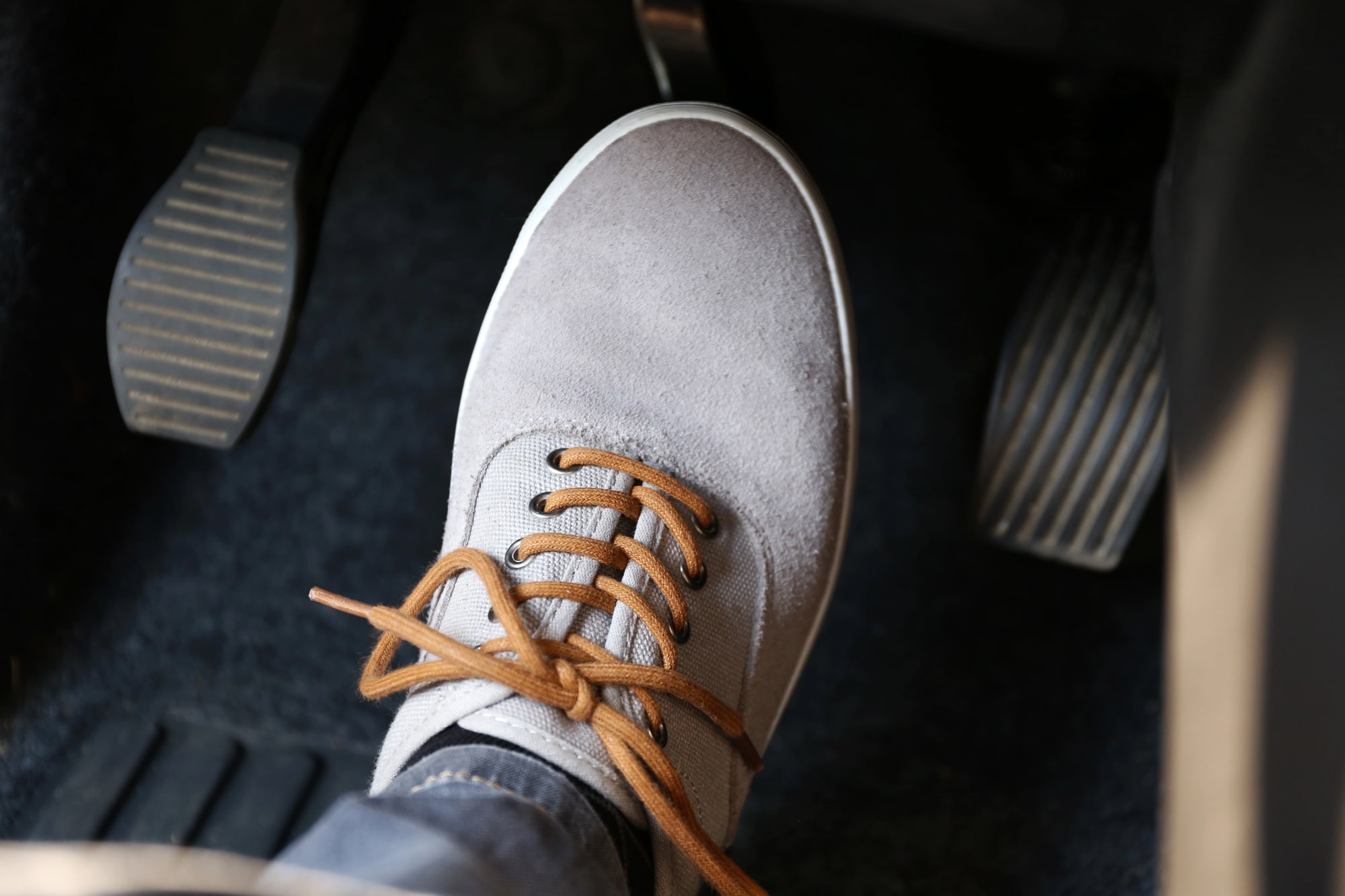
A soft, spongy, or overly sensitive brake pedal is another red flag. When you press the pedal and it sinks closer to the floor than usual, or feels less responsive, this can point to air in the brake lines, a fluid leak, or worn components in the braking system. On the other end of the spectrum, a pedal that feels unusually hard or requires more force than normal to engage can also indicate a problem, often related to the brake booster or a blockage in the hydraulic system.
Vibration or pulsation when braking, especially at higher speeds, often points to warped rotors. Rotors can warp due to excessive heat buildup from frequent hard braking, particularly during mountain driving or heavy stop-and-go traffic. This vibration is usually felt through the brake pedal itself or, in more advanced cases, through the steering wheel.
How does stopping distance indicate brake wear?
brake repair
If your vehicle takes noticeably longer to come to a complete stop than it used to, this is one of the clearest indications that your braking system needs attention. Reduced stopping power can result from worn pads, contaminated brake fluid, or a combination of mechanical issues working together. Because this symptom develops gradually, many drivers don’t notice it until they compare their vehicle’s performance to a rental car or a friend’s car with newer brakes.
Pyle Automotive emphasizes that stopping distance is one of the most safety-critical indicators to monitor, since it directly affects a driver’s ability to avoid collisions in emergency situations. Testing your brakes periodically in a safe, controlled environment — such as an empty parking lot — can help you notice changes in performance before they become dangerous on busy roads.
What does it mean if your car pulls to one side when braking?
When a vehicle pulls to the left or right during braking, this often indicates uneven brake pad wear or a stuck caliper on one side of the vehicle. A caliper that fails to release properly can cause one wheel to brake more aggressively than the others, creating an imbalance that pulls the steering in that direction. This issue can also stem from contaminated brake fluid or an uneven distribution of brake fluid pressure between the front wheels.
Ignoring this symptom does more than create an inconvenience. Pulling during braking reduces vehicle control, particularly in wet or icy conditions, and can accelerate uneven tire wear over time. Addressing this issue promptly protects both the braking system and other components of the vehicle that depend on balanced wheel performance.
How often should you have your brakes inspected?
Brake pad lifespan varies significantly depending on driving habits, vehicle type, and road conditions. City driving, which involves frequent stopping and starting, wears down brake pads faster than highway driving. Heavier vehicles, such as trucks and SUVs, also tend to experience faster brake wear due to the additional force required to stop them.
As a general guideline, Pyle Automotive recommends having your brakes inspected every 12,000 miles, or roughly once a year for average drivers. This inspection should include a check of pad thickness, rotor condition, brake fluid quality, and the overall function of calipers and brake lines. Choose more frequent inspections — every 6,000 to 8,000 miles — if you frequently drive in stop-and-go traffic, tow heavy loads, or drive in mountainous terrain, since these conditions accelerate wear considerably.
Dashboard warning lights should never be ignored, even if no other symptoms are present. Modern vehicles are equipped with sensors that detect brake pad thickness and alert drivers before wear becomes severe. When this light appears, scheduling an inspection within the following week is a reasonable timeline for most drivers, though grinding noises or pedal problems warrant immediate attention regardless of the light’s status.
Protecting yourself and your vehicle starts with paying attention

brake fluid
Brake wear develops gradually, which makes it easy to overlook until a problem becomes serious. Paying attention to noises, pedal feel, stopping distance, and steering behavior gives drivers the information they need to catch issues early, before they compromise safety or lead to more expensive repairs.
Pyle Automotive encourages drivers to treat brake maintenance as a proactive habit rather than a reactive fix. Scheduling regular inspections, listening to your vehicle, and responding quickly to warning signs are simple steps that protect not just your car, but everyone who shares the road with you. If you’ve noticed any of the signs discussed here, don’t wait for the problem to worsen — a brake inspection today could prevent a much larger issue tomorrow. Reach out to our team today by calling (801) 467-7455.