
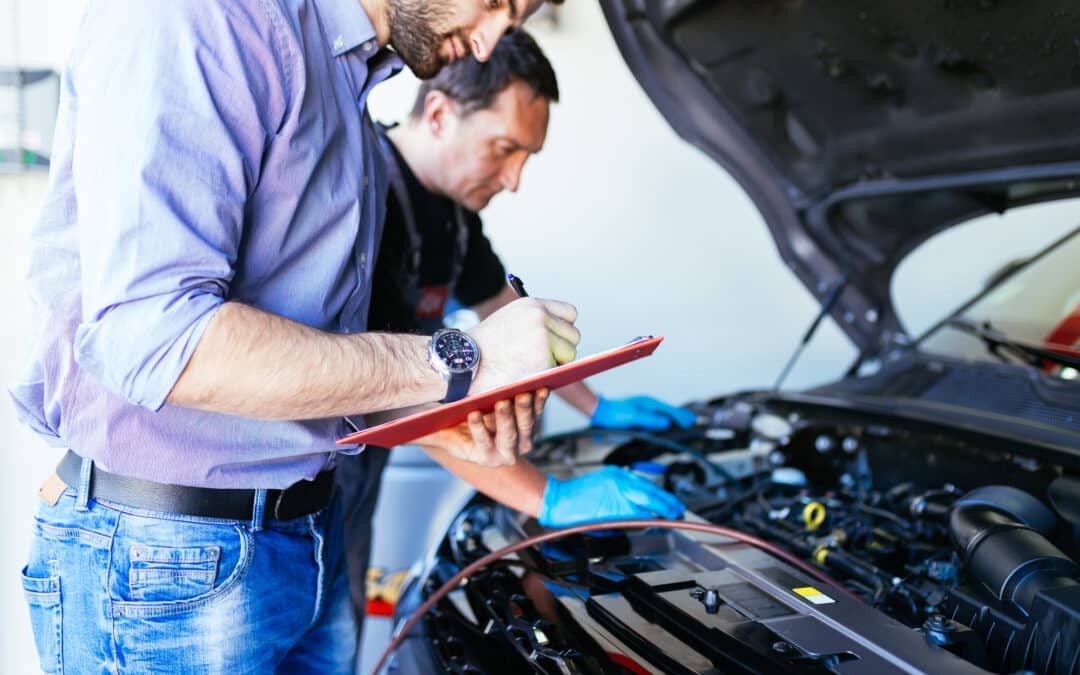
Routine auto inspections catch small mechanical issues before they become expensive repairs. Drivers who schedule regular inspections with a trusted provider like Pyle Automotive typically spend significantly less on unexpected breakdowns, extend the life of their vehicles, and avoid the steep costs associated with neglected maintenance.
Most car owners only think about their vehicle when something goes wrong. A strange noise, a warning light, an engine that won’t turn over on a cold morning—these are the moments that send people rushing to the nearest auto shop. But by that point, what might have been a minor fix has often become a costly repair. Routine auto inspections change that dynamic entirely.
Pyle Automotive has worked with thousands of drivers who came in after ignoring their vehicles for too long. The pattern is almost always the same: a small problem that went undetected turned into a much bigger one. The good news is that this cycle is entirely preventable, and it starts with making inspections a regular habit rather than a last resort.
What Does a Routine Auto Inspection Actually Cover?
A routine auto inspection is a comprehensive review of your vehicle’s key systems—engine, brakes, tires, fluid levels, belts, filters, battery, and more. At Pyle Automotive, technicians examine both the mechanical and safety components of a vehicle to identify anything that’s worn, leaking, or operating outside of normal parameters.
The goal is not to find reasons to charge you more. The goal is to give you an honest picture of where your vehicle stands. A 30-minute inspection can surface issues that, left unaddressed, could lead to brake failure, engine overheating, or a blown tire on the highway. These are not hypothetical risks—they are among the most common causes of roadside emergencies that could have been avoided with earlier intervention.
How Do Small Problems Turn Into Expensive Repairs?

car maintenance
A vehicle is a system of interconnected parts. When one component starts to fail, it rarely fails in isolation. A worn serpentine belt, for example, powers multiple systems in your engine, including the alternator, power steering pump, and air conditioning compressor. If that belt snaps, you are not just looking at the cost of a new belt—you may be looking at damage to multiple components that were suddenly deprived of the power they needed to function.
The same principle applies to something as routine as an oil change. Old, degraded oil loses its ability to lubricate the engine properly, which leads to increased friction, heat buildup, and eventually significant engine damage. The cost difference between an oil change and an engine repair is staggering—we are talking about the difference between tens of dollars and thousands.
Pyle Automotive’s technicians are trained to spot these early warning signs precisely because they understand how vehicle systems interact. Catching a problem at the belt stage, rather than the engine damage stage, is where the real savings happen.
How Much Money Can Routine Auto Inspections Actually Save You?
According to the Car Care Council, Americans spend an estimated $61 billion each year on vehicle repairs that could have been prevented through regular maintenance. That number reflects just how widespread the habit of reactive—rather than proactive—vehicle care has become.
Routine auto inspections typically cost far less than the repairs they prevent. A standard multi-point inspection at Pyle Automotive is an investment that can identify issues like low brake fluid, a cracked hose, or a battery nearing the end of its life. Replacing a battery proactively costs a fraction of what it costs to tow a vehicle and replace the battery after a breakdown. The math is straightforward, even if the savings are easy to underestimate in the moment.
Beyond individual repairs, there is also the long-term financial benefit of vehicle longevity. A well-maintained car retains its value longer and requires fewer major repairs over its lifetime. Drivers who commit to regular inspections at a trusted shop like Pyle Automotive are also less likely to face the financial pressure of replacing a vehicle prematurely.
Why Routine Inspections Matter for Your Safety—Not Just Your Wallet
car engine
The financial argument for routine auto inspections is compelling on its own, but the safety argument is even more so. Brake wear is one of the most common issues identified during inspections, and it is also one of the most dangerous to ignore. Brakes that are allowed to wear past their service limit can fail without warning, creating life-threatening situations for drivers, passengers, and others on the road.
Tire condition is another critical area. Under inflated or worn tires reduce traction, increase stopping distances, and are more prone to blowouts at high speeds. Pyle Automotive’s inspection process includes checking tire pressure, tread depth, and overall tire integrity—details that are easy to overlook during day-to-day driving but that have a direct impact on road safety.
When safety and cost savings align in the same direction, there is very little reason to delay scheduling an inspection.
How Often Should You Schedule a Routine Auto Inspection?
The right inspection schedule depends on your vehicle’s age, mileage, and manufacturer recommendations. As a general guideline, most automotive professionals recommend a full inspection at least once a year, with additional checks aligned to oil change intervals—typically every 5,000 to 7,500 miles for modern vehicles using synthetic oil.
Pyle Automotive recommends that drivers also schedule an inspection before long road trips, after purchasing a used vehicle, or any time they notice a change in performance—unusual sounds, reduced fuel efficiency, or a dashboard warning light that appears and disappears. These are not moments to wait and see. They are signals that a professional set of eyes is warranted.
Why Pyle Automotive Is the Right Place for Your Next Inspection
Choosing where to take your vehicle matters. Pyle Automotive has built its reputation on transparent, thorough service that puts the driver’s best interest first. Their technicians do not upsell unnecessary services—they provide honest assessments and clear explanations of what they find, what it means, and what your options are.
The trust that Pyle Automotive has earned with its customers comes from a simple philosophy: an informed driver makes better decisions. When you understand what your vehicle needs and why, routine maintenance stops feeling like an expense and starts feeling like an investment. That shift in perspective is often what separates drivers who are constantly reacting to breakdowns from those who drive with confidence because they know their vehicle has been properly maintained.
Start Protecting Your Vehicle—and Your Budget—Today
Routine auto inspections are one of the most straightforward ways to avoid large, unexpected repair bills. The vehicles that hold up best over time are almost always the ones that received consistent attention before problems had a chance to escalate.
Pyle Automotive makes that process easy. With experienced technicians, a commitment to honest service, and a thorough inspection process designed to catch issues early, Pyle Automotive gives drivers the information and peace of mind they need to stay ahead of costly repairs. Schedule your routine auto inspection with Pyle Automotive today by calling (801) 467-7455—because the best time to find a problem is before it finds you.