
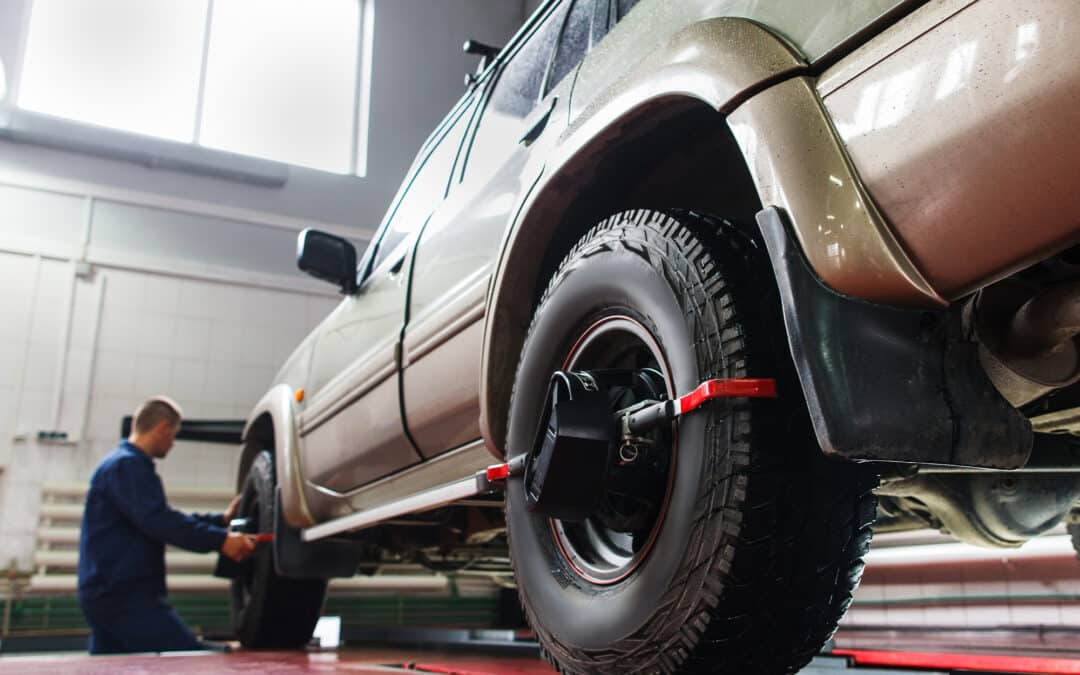
Wheel alignments keep a vehicle’s tires meeting the road at the correct angle, which improves fuel efficiency, extends tire life, and keeps handling predictable on Utah’s mountain passes and icy winter roads. Pyle Automotive recommends checking alignment at least once a year, or sooner after hitting a pothole or curb, to prevent uneven tire wear and steering problems before they become costly repairs.
Utah’s roads tell a story that most drivers never stop to consider. Canyon switchbacks, sudden snowmelt potholes, and the kind of washboard gravel found on rural routes near Moab all put consistent stress on a vehicle’s suspension and steering components. Over time, that stress nudges tires out of their ideal position, even when nothing feels obviously wrong behind the wheel.
That’s where wheel alignments come in. A proper alignment adjusts the angles of your tires so they make contact with the road exactly as the manufacturer intended. It sounds like a minor mechanical detail, but the effects ripple through nearly every part of how your car performs, from the way it tracks on the freeway to how long your tires actually last.
Pyle Automotive, a trusted name for Utah drivers, has spent years helping customers understand why this service deserves more attention than it typically gets. This guide breaks down what wheel alignments actually do, why Utah’s unique driving conditions make them especially important, and how to recognize the warning signs before a small issue turns into an expensive one.
What does a wheel alignment actually do?
A wheel alignment isn’t about the tires themselves. It’s about adjusting the suspension, the system that connects your vehicle to its wheels. Technicians measure and adjust three main angles: camber, caster, and toe. Camber refers to the inward or outward tilt of the tire when viewed from the front of the vehicle. Caster affects steering stability and how the vehicle returns to center after a turn. Toe describes whether the tires point slightly inward or outward relative to each other.
When these angles fall out of specification, even slightly, the vehicle compensates in ways that aren’t always obvious at first. A car might pull gently to one side, or the steering wheel might sit crooked even when driving straight. Left unaddressed, these small deviations accelerate tire wear and place extra strain on suspension components that are expensive to replace.
Pyle Automotive uses precision alignment equipment to measure these angles against manufacturer specifications, then makes the adjustments needed to bring the vehicle back into proper alignment. The process typically takes under an hour, yet the benefits extend across thousands of miles of driving.
Why do Utah’s roads make alignments more important than in other states?

Utah presents a distinctive combination of road conditions that accelerate alignment issues compared to flatter, more temperate states. The Wasatch Front’s elevation changes mean constant freeze-thaw cycles throughout fall, winter, and early spring. Water seeps into pavement cracks, freezes, expands, and creates potholes that seem to multiply overnight. Hitting even one of these potholes at highway speed can knock a wheel out of alignment instantly.
Canyon roads add another layer of complexity. Routes like Big and Little Cottonwood Canyon, Provo Canyon, and the switchbacks near Zion National Park demand frequent, sharp steering inputs. While this driving isn’t inherently harmful, it does place repeated stress on suspension bushings and tie rod ends, components that directly affect alignment.
Rural and unpaved roads, common throughout southern and eastern Utah, introduce a different challenge. Washboard surfaces and loose gravel cause constant vibration that gradually loosens suspension hardware over time. Drivers who regularly travel these routes for work or recreation should consider more frequent alignment checks than the standard annual recommendation.
Pyle Automotive sees this pattern consistently among Utah customers: vehicles that spend significant time in canyon or rural driving tend to need alignment adjustments more often than those used primarily for city commuting.
How can drivers tell if their vehicle needs an alignment?
Several signs typically appear before an alignment problem becomes severe enough to damage other components. Uneven tread wear is often the clearest indicator. Running a hand across a tire’s surface and noticing that one edge feels more worn than the other suggests a camber issue. A steering wheel that sits off-center while driving straight, or one that requires constant small corrections to keep the car tracking straight, points to a toe or caster problem.
Vibration through the steering wheel at certain speeds can also signal alignment trouble, though this symptom sometimes overlaps with tire balance issues, which is why a professional inspection matters. Drivers who notice their vehicle pulling noticeably to the left or right, even on a flat, straight road, should treat that as a strong signal that alignment service is overdue.
Pyle Automotive recommends addressing these symptoms promptly rather than waiting for the next scheduled maintenance visit. Tires are one of the more expensive routine replacement costs on any vehicle, and a misalignment that goes unchecked for months can shave thousands of miles off a tire’s usable life.
What happens if a misalignment is left unaddressed?
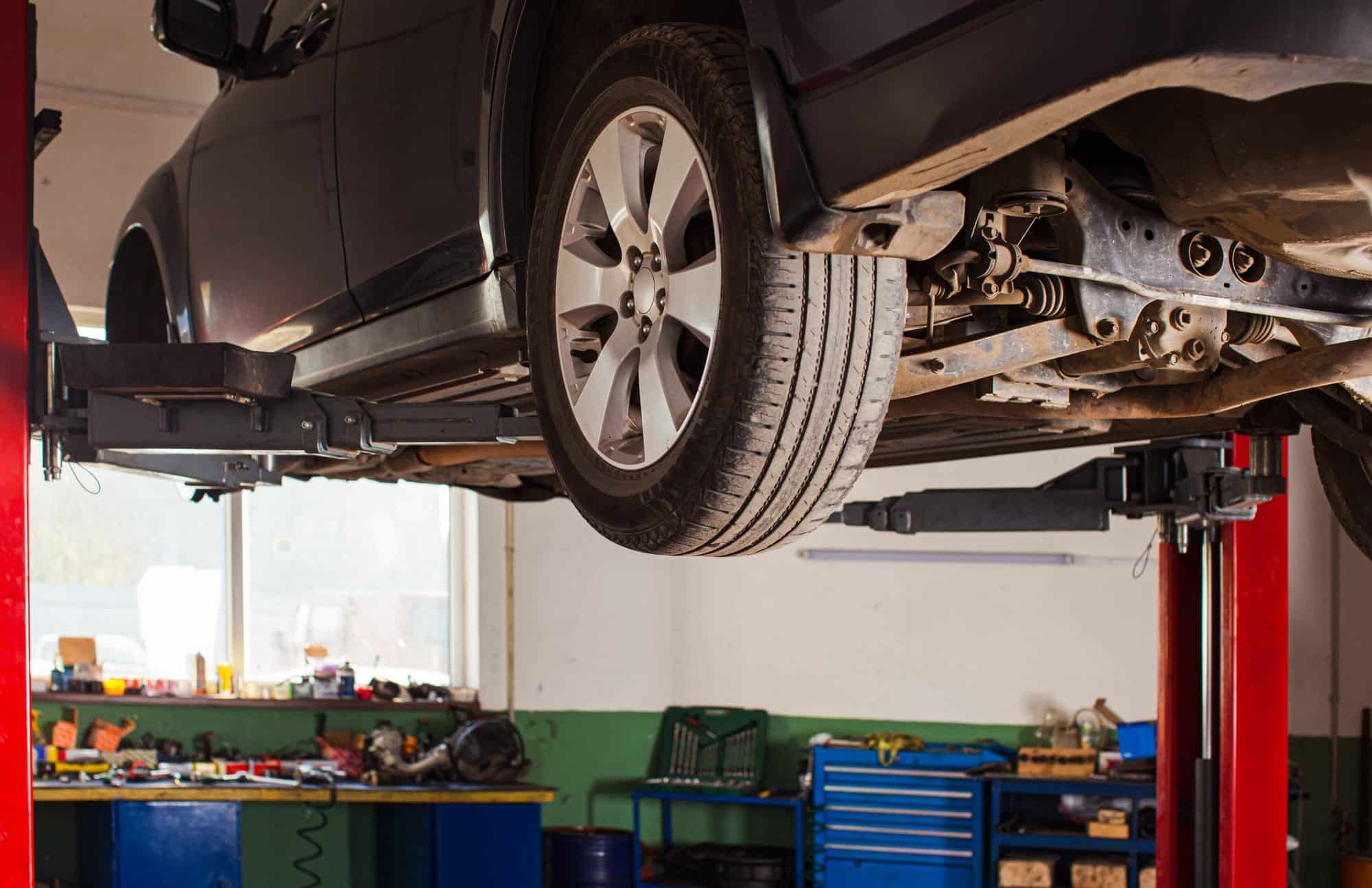
Car Alignment and Suspension Near Me
Ignoring alignment issues rarely leads to catastrophic failure overnight, but the cumulative damage adds up quickly. Tires wear unevenly, which means replacing them sooner than their expected mileage rating. Fuel efficiency drops because misaligned wheels create additional rolling resistance, forcing the engine to work harder to maintain speed. Suspension components like ball joints, tie rod ends, and bushings wear out faster when they’re compensating for angles outside the designed specification.
There’s also a safety dimension that deserves attention, particularly given Utah’s winter driving conditions. A vehicle with proper alignment responds predictably during sudden maneuvers, which matters significantly when navigating icy mountain passes or reacting to black ice on a canyon road. Misalignment introduces unpredictability into handling at exactly the moments when precise control matters most.
Pyle Automotive’s technicians frequently see customers who postponed alignment service only to discover they also need new tires and suspension repairs, a combination that costs considerably more than addressing the alignment issue early would have.
How often should Utah drivers schedule a wheel alignment?
Most manufacturers recommend an alignment check once a year or every 12,000 to 15,000 miles, whichever comes first. Utah drivers who regularly travel canyon routes, unpaved roads, or areas prone to frequent potholes should consider checking alignment more often, particularly after winter months when freeze-thaw damage to roads peaks.
Beyond the routine schedule, certain events should trigger an immediate alignment check regardless of when the last service occurred. Hitting a significant pothole, curb, or road debris at speed warrants an inspection even if the vehicle seems to be driving fine afterward. Installing new tires is another good opportunity to have alignment checked, since it ensures the new tires wear evenly from the start rather than inheriting an existing problem.
Pyle Automotive builds alignment checks into routine service visits for exactly this reason. Catching a minor deviation early costs far less than waiting until uneven wear or steering problems force the issue.
Keep your vehicle road-ready across every Utah season
Wheel alignments aren’t the most glamorous part of vehicle maintenance, but their impact on safety, cost, and tire longevity makes them one of the most worthwhile services a driver can schedule. Utah’s combination of mountain roads, seasonal freeze-thaw cycles, and rural gravel routes creates conditions that wear down alignment faster than in many other states, which makes regular checks especially valuable here.
Drivers who pay attention to the early warning signs, uneven tread wear, a crooked steering wheel, or a noticeable pull to one side, can address alignment issues before they turn into expensive tire and suspension repairs. Pyle Automotive encourages Utah drivers to treat alignment checks as a standard part of seasonal vehicle care, right alongside tire rotations and brake inspections.
Scheduling a wheel alignment with Pyle Automotive takes less time than most errands, and the payoff shows up in smoother handling, longer-lasting tires, and one less thing to worry about on the next canyon drive. Reach out by calling (801) 467-7455 today!