
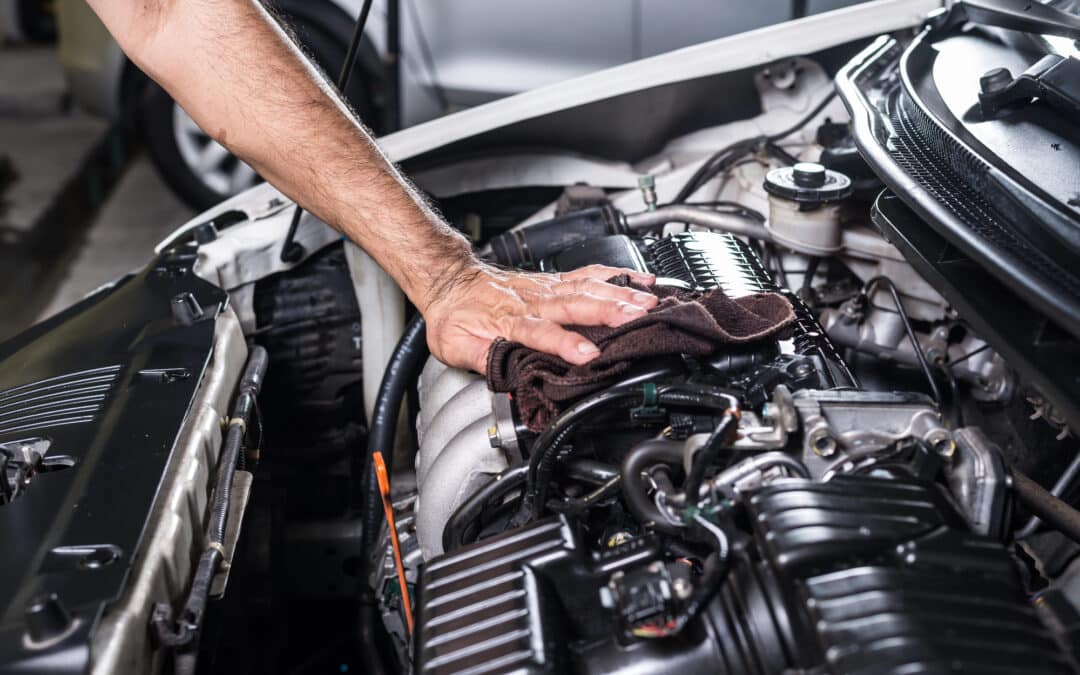
A Check Engine Light can signal anything from a loose gas cap to a failing catalytic converter. The light itself doesn’t tell you the severity, but a diagnostic scan will. Pyle Automotive recommends getting the code read promptly rather than guessing, since ignoring it can turn a cheap fix into an expensive repair.
That little orange icon glowing on your dashboard has a way of ruining an otherwise normal drive. Your Check Engine Light doesn’t come with a translation guide, so it’s easy to assume the worst or, just as commonly, to ignore it entirely and hope it fixes itself. Neither approach serves you well.
The truth is that a Check Engine Light can mean a dozen different things, ranging from a minor sensor hiccup to a sign that your engine is in real trouble. The team at Pyle Automotive sees this exact scenario play out every week: a driver pulls in unsure whether they’re facing a $20 fix or a $2,000 one. Understanding what triggers this warning, and what steps to take next, can save you money, time, and a fair amount of stress.
What does it mean when your Check Engine Light turns on?
The Check Engine Light is part of your vehicle’s onboard diagnostics system, commonly known as OBD-II. This system continuously monitors dozens of sensors across your engine, transmission, and emissions components. When one of those sensors detects a reading outside its expected range, it logs a trouble code and illuminates the light on your dashboard.
What makes this warning tricky is that it doesn’t distinguish between urgency levels. A failing oxygen sensor and a seriously overheating engine can both trigger the same light. That’s why Pyle Automotive always advises against guessing. A proper diagnostic scan reads the stored code directly from your car’s computer, pointing to the actual source of the problem instead of leaving you to speculate.
Is it safe to keep driving with the Check Engine Light on?
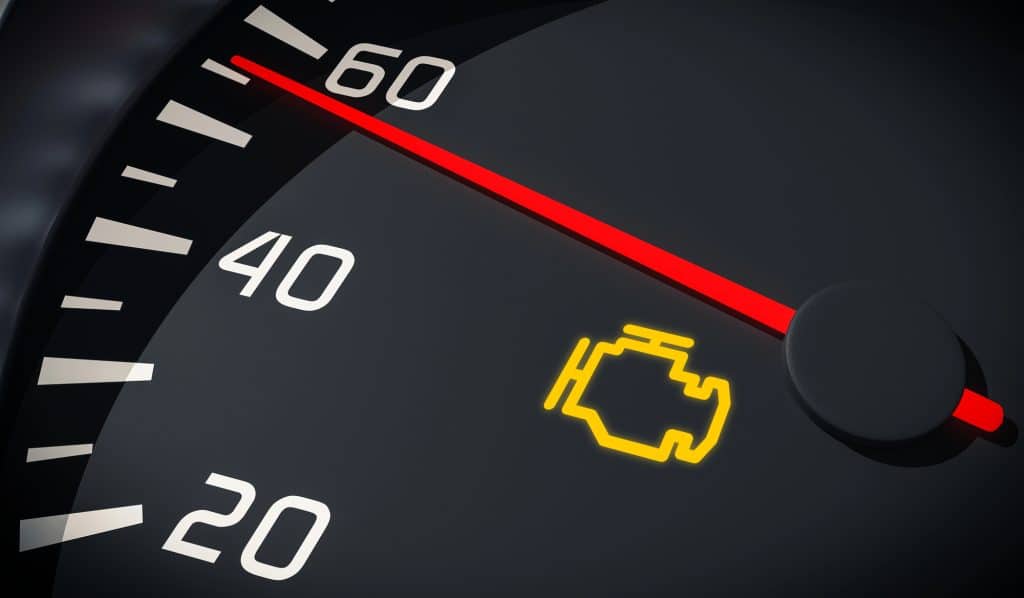
check engine light
This depends almost entirely on how the light is behaving. A steady, unblinking Check Engine Light generally indicates a moderate issue, something worth addressing soon but not necessarily an emergency. You can typically continue driving, though it’s wise to schedule a diagnostic appointment within the next few days.
A flashing Check Engine Light is a different story altogether. This usually signals a serious misfire that could be dumping unburned fuel into the exhaust system, where it can quickly overheat and damage the catalytic converter. If your light is flashing, Pyle Automotive recommends reducing your speed, avoiding heavy acceleration, and getting to a repair shop as soon as possible. Continuing to drive normally in this situation risks turning a repairable issue into a far more expensive one.
What are the most common reasons a Check Engine Light comes on?
A loose or damaged gas cap is one of the most frequent, and least expensive, culprits. The gas cap plays a role in maintaining pressure within your fuel system, and when it isn’t sealed properly, the sensor interprets this as a fuel system leak. Simply tightening or replacing the cap often resolves the issue within a day or two, once the system resets itself.
Oxygen sensor failure is another common trigger. This sensor measures how much unburned oxygen is in your exhaust, helping your engine’s computer fine-tune the fuel mixture. When it fails, your car may still run, but you’ll likely notice reduced fuel economy and rougher idling.
Catalytic converter problems tend to show up when earlier issues, like a misfire or failing oxygen sensor, go unaddressed for too long. The catalytic converter is also one of the more expensive components to replace, which is exactly why catching smaller problems early matters so much.
Spark plug and ignition coil issues are also frequent causes, particularly in older vehicles or those approaching a scheduled maintenance interval. Worn spark plugs can cause misfires, rough acceleration, and a noticeable drop in performance, even before the Check Engine Light appears.
Mass airflow sensor malfunctions round out the list of usual suspects. This sensor measures the amount of air entering your engine, and when it’s dirty or failing, your engine may run too rich or too lean, affecting both performance and emissions.
How do mechanics diagnose a Check Engine Light?
When you bring your vehicle to Pyle Automotive, the first step is always a diagnostic scan using an OBD-II reader. This tool retrieves the stored trouble code, which points technicians toward the affected system or component. From there, a trained mechanic inspects the relevant parts to confirm the root cause, since a trouble code identifies the symptom rather than always pinpointing the exact fix needed.
This two-step process matters because trouble codes can sometimes be misleading on their own. A code pointing to an oxygen sensor, for example, might actually stem from a vacuum leak elsewhere in the system. Skipping the inspection step and replacing parts based on the code alone can lead to unnecessary spending without actually solving the problem.
When should you take your car to a mechanic?

Reliable Mechanic Salt Lake City
If your Check Engine Light is accompanied by other symptoms, such as unusual noises, a noticeable loss of power, rough idling, or a burning smell, it’s time to schedule service right away. These combined signs usually indicate the issue has progressed beyond something you can safely put off.
Even if the light is on by itself with no other symptoms, Pyle Automotive recommends having it checked within a week or two. Many underlying issues, like a failing sensor, get progressively worse the longer they go unaddressed, and what starts as a minor repair can escalate into something involving multiple components.
Take the guesswork out of your Check Engine Light
A Check Engine Light isn’t something to panic over, but it also isn’t something to brush off indefinitely. Whether the cause turns out to be a loose gas cap or a failing catalytic converter, the only way to know for certain is through a proper diagnostic scan. Pyle Automotive encourages drivers to treat that dashboard warning as useful information rather than a source of anxiety: it’s your vehicle’s way of flagging a problem before it becomes a crisis.
If your Check Engine Light has come on recently, don’t leave it to chance. Schedule a diagnostic appointment with Pyle Automotive and get a clear answer about what’s really going on under the hood. Reach out by calling (801) 467-7455 today!