

Winter in Salt Lake City offers some of the most spectacular scenery in the country, from the snow-capped peaks of the Wasatch Front to the festive lights downtown. However, seasoned locals know that when the temperature drops and the snow starts to pile up, driving conditions can change in an instant. The combination of freezing temperatures, icy roads, and the corrosive salt used to clear the highways creates a harsh environment for any vehicle. Preparing your car for these challenges is not just about comfort; it is a matter of safety for you and your passengers.
Following proper car maintenance tips is essential to keep your vehicle running smoothly through the coldest months of the year. Neglecting routine checks can lead to breakdowns in dangerous conditions, leaving you stranded when the weather is at its worst. The team at Pyle Automotive understands the unique demands that Utah winters place on vehicles. With years of experience servicing cars in the Salt Lake Valley, they have identified the critical areas that every driver should address before the first big storm hits.
Test Your Battery Before the First Deep Freeze
The most common cause of winter breakdowns is a dead battery. Chemical reactions inside a battery generate the power needed to start the engine, and these reactions slow down significantly as the temperature plummets. A battery that performs adequately during the warm summer months may fail completely when the thermometer drops below freezing. This happens because the engine requires more power to start when the oil is thick and cold, yet the battery has less power to give.
Drivers should prioritize having their battery tested as part of their seasonal preparation. Pyle Automotive recommends checking the battery’s charge and health to ensure it has enough cold-cranking amps to handle sub-zero mornings. If a battery is more than three years old, it is often wise to replace it proactively rather than risking a failure in a remote location or a busy intersection. Furthermore, battery terminals should be inspected for corrosion, which can inhibit the flow of electricity. A clean, tight connection is vital for reliable starting power.
Inspect Tires for Tread Depth and Proper Pressure
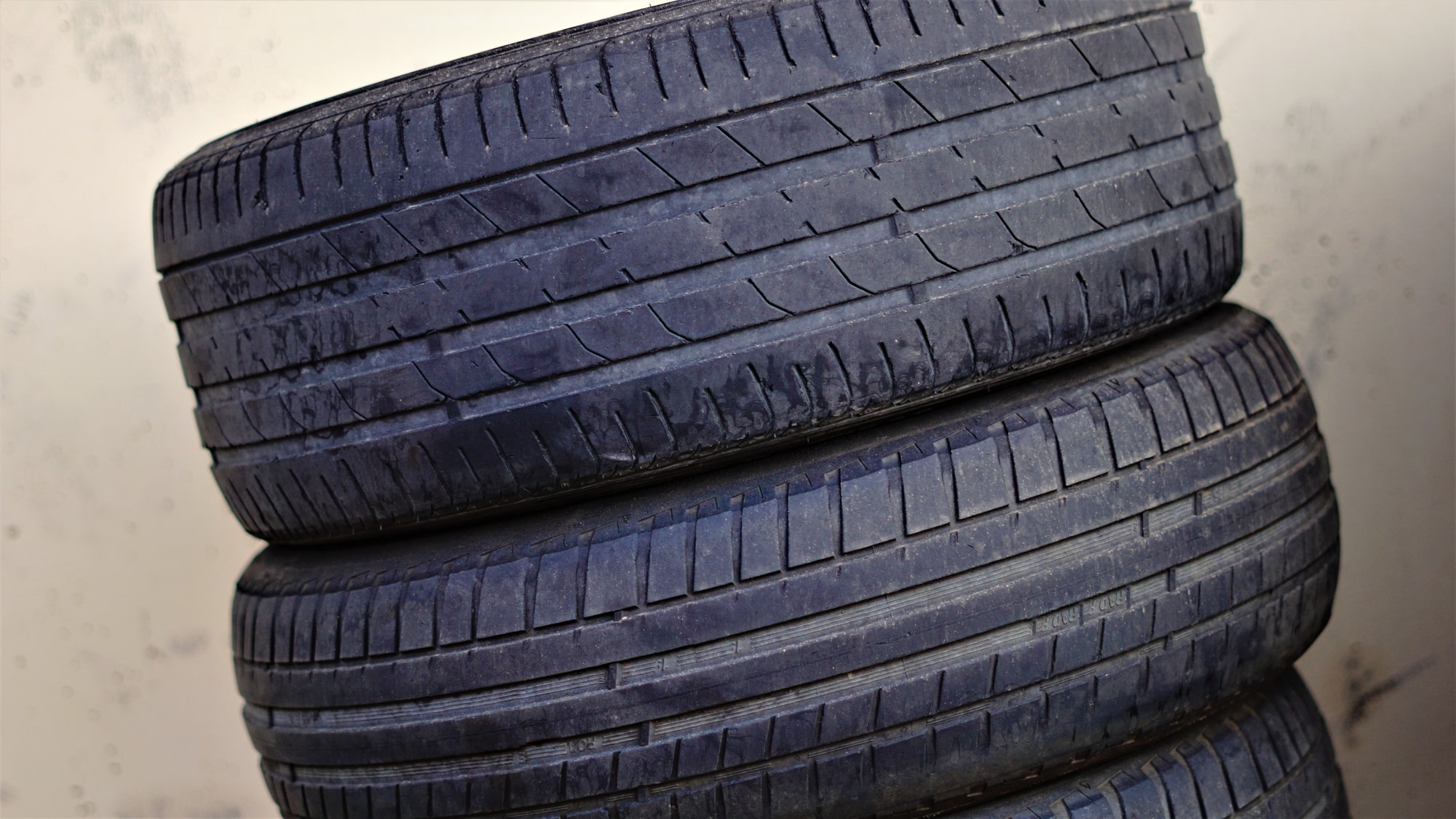
worn tires stacked for recycling
Traction is the single most important factor when navigating slick, icy roads along the I-15 corridor or heading up the canyons for a ski day. Tires are the only contact point between a vehicle and the road, meaning their condition dictates how well a car stops and turns. Cold air causes the air inside tires to contract, leading to a drop in tire pressure. For every ten-degree drop in temperature, tire pressure can decrease by one PSI. Driving on under-inflated tires compromises handling and increases the risk of a blowout, making regular pressure checks a necessity during winter.
Tread depth is equally critical for displacing snow and slush. Tires that are worn down cannot grip the road effectively, significantly increasing stopping distances. Pyle Automotive suggests inspecting the tread to ensure there is enough depth to bite into the snow. While all-season tires are sufficient for some, many Salt Lake City drivers benefit from switching to dedicated winter tires. These specialized tires are made from a softer rubber compound that remains flexible in freezing temperatures, providing superior grip compared to standard tires that harden and lose traction in the cold.
Evaluate Vital Fluids and Oil Viscosity
Your vehicle relies on various fluids to operate correctly, and their properties change drastically in cold weather. Engine oil, for instance, thickens as it gets colder. If the oil becomes too viscous, it cannot circulate freely through the engine block during a cold start, leading to increased friction and potential engine damage. Manufacturers often recommend switching to a thinner oil grade during winter months to ensure proper lubrication. Checking the owner’s manual or consulting with the experts at Pyle Automotive can clarify the specific needs of a vehicle regarding oil viscosity.
The cooling system is another area that demands attention. Despite the name, coolant—or antifreeze—is essential in winter to prevent the engine block from freezing and cracking. Over time, the protective additives in antifreeze break down, reducing its effectiveness. A simple test can determine the freezing point of the coolant in the radiator. If the mixture is too weak, it should be flushed and replaced. This maintenance step ensures the engine stays within the correct operating temperature range, regardless of how cold the air outside becomes.
Maximize Visibility with Wipers and Washer Fluid
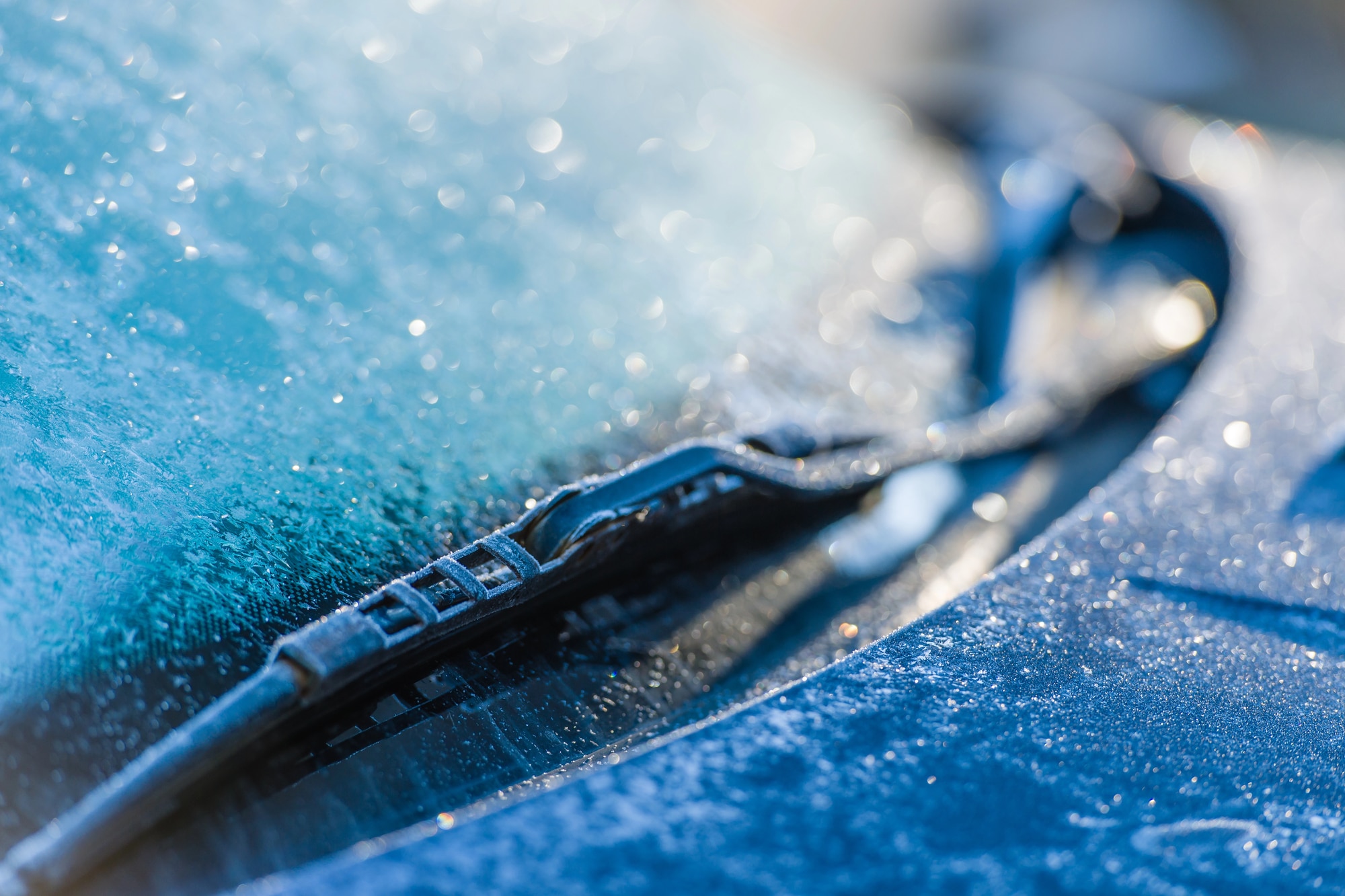
windshield wipers
Visibility is often compromised during Utah winters due to falling snow and the spray of salty slush from other vehicles. A windshield covered in grime can blind a driver in seconds, making a functioning washer system vital. Standard windshield washer fluid can freeze in the reservoir or on the glass itself, rendering the system useless. Drivers must switch to a winter-rated washer fluid designed to remain liquid at extremely low temperatures. This specialized fluid also helps melt thin layers of ice on the windshield, aiding the defroster.
Wiper blades take a beating in the winter. Ice and heavy snow can tear the rubber, leaving streaks that obscure vision. If the current blades are skipping, smearing, or making noise, they should be replaced immediately. Pyle Automotive advises lifting wiper blades off the windshield when a snowstorm is in the forecast to prevent them from freezing to the glass. This simple habit protects the rubber and ensures the wiper motor does not burn out trying to push frozen blades.
Check the Heating and Defrosting Systems
A functioning heater is about more than just staying comfortable; it is a critical safety component. The heating system works in tandem with the air conditioning compressor to defrost the windows and keep them clear of fog. If the heater core is clogged or the blower motor is failing, the windshield may fog up internally, making it impossible to see the road. Moisture from melting snow on boots and coats increases humidity inside the cabin, making an efficient defroster mandatory for safe driving.
Pyle Automotive recommends a thorough inspection of the HVAC system before winter sets in. This includes checking the thermostat, which regulates the engine’s temperature and, by extension, the heat available for the cabin. A stuck thermostat can prevent the engine from warming up properly, leading to poor fuel economy and a chilly ride. Ensuring that all vents are clear and the system is blowing hot, dry air will keep the driver warm and the windows clear, allowing for a safer commute through the winter weather.
Safe Driving Starts with Preparation

Brake Repair Near Me Salt Lake City UT
Winter driving in Salt Lake City requires a vehicle that is up to the challenge. The steep grades, sudden storms, and icy intersections demand peak performance from every mechanical system. By following these car maintenance tips, drivers can significantly reduce the likelihood of being stranded in the cold. Proactive care is always more convenient and cost-effective than emergency repairs.
The technicians at Pyle Automotive are dedicated to keeping local drivers safe on the road. Whether it involves a simple battery check or a comprehensive winterization service, their expertise ensures that vehicles are ready for whatever the season brings. Taking the time to prepare now allows drivers to navigate the winter months with confidence and peace of mind. Reach out by calling (801) 467-7455 today!