
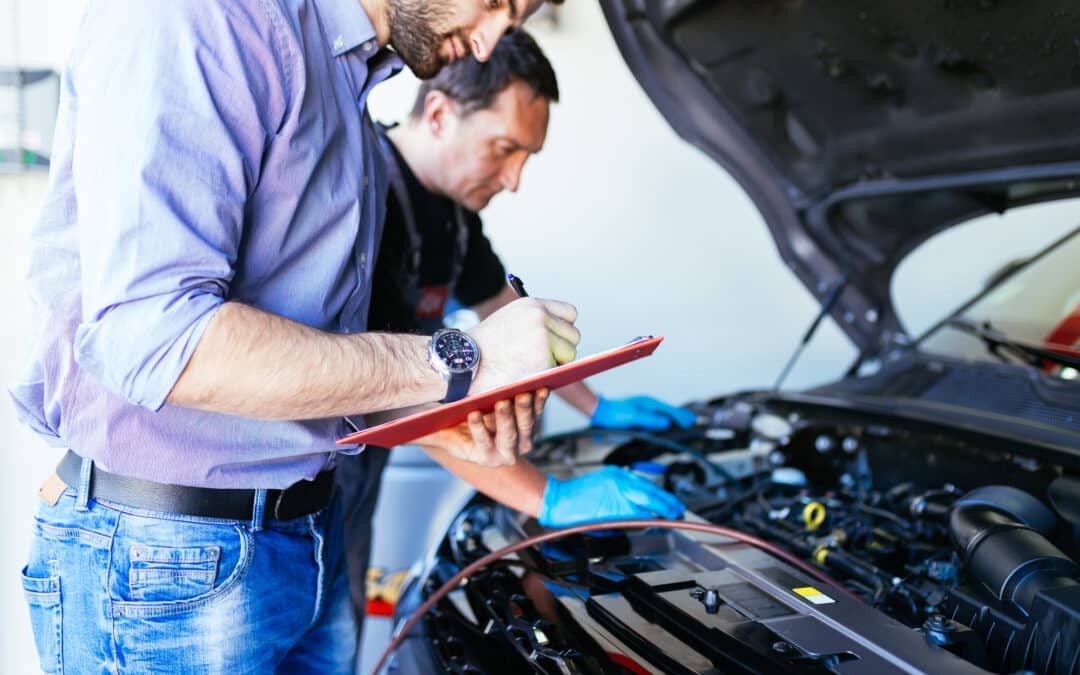
Your vehicle is likely one of your largest investments. Maintaining your vehicle doesn’t just mean repairing things when they break down. Preventive maintenance helps ensure you’ll get the most life, reliability, and savings from your vehicle.
At Pyle Automotive, we recommend all of our drivers in Salt Lake City follow these maintenance tips to help protect their vehicles. Read on to learn more about preventive vehicle maintenance and why it’s important to your car.
What is Preventive Vehicle Maintenance?
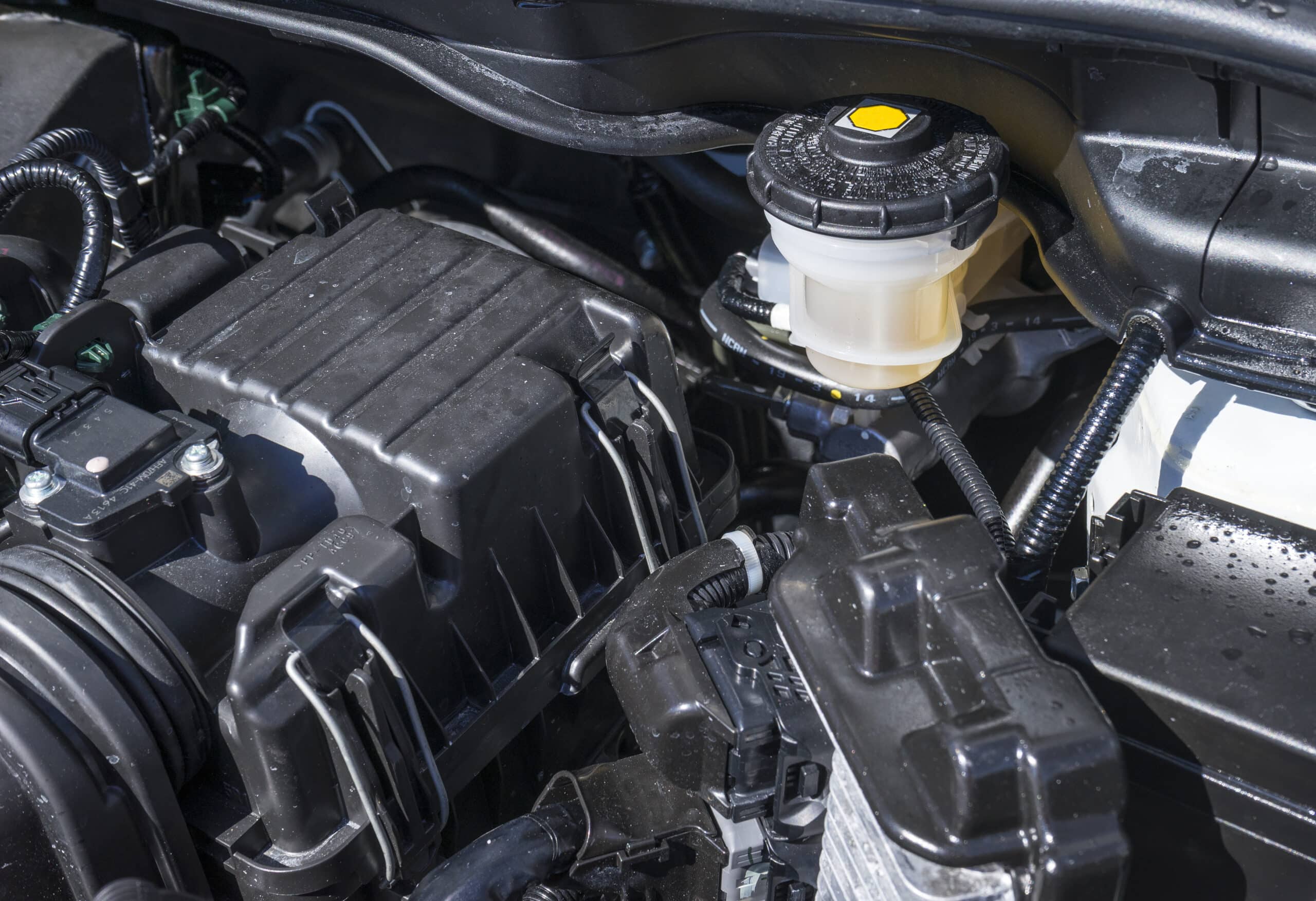
Auto Brake Fluid Maintenance
Preventive vehicle maintenance covers a variety of services and inspections that keep your vehicle running smoothly. Instead of waiting until a part completely fails, maintenance tasks identify potential problems and replace worn components.
Performing regular maintenance as recommended by your manufacturer will drastically lower your chances of encountering unexpected repairs.
Benefits of Routine Maintenance
Maintaining your vehicle can help you:
- Increase your vehicle’s lifespan
- Improve your gas mileage
- Save on repair costs
- Boost your vehicle’s reliability
- Improve your vehicle’s safety
- Keep your vehicle’s resale value high
- Avoid roadside breakdowns
Performing regular maintenance on your vehicle means your vehicle runs better and you’ll feel more confident driving wherever you need to go.
Change Your Oil Regularly
Your engine oil plays a big role in your vehicle’s health. Oil lubricates important engine components while reducing friction and maintaining optimum operating temperatures.
Oil naturally breaks down over time and becomes dirty. When oil loses its effectiveness, it puts additional strain on your engine.
Regular oil changes can help:
- Protect your engine’s internal components
- Reduce wear and tear
- Improve your engine’s performance
- Extend the life of your engine
You should always follow your manufacturer’s recommended oil change intervals. Speak with one of our technicians if you’re unsure how often you should change your oil.
Inspect And Rotate Your Tires
Did you know that your tires impact your vehicle’s safety, fuel economy, braking, and handling?
That’s why it’s important to regularly maintain your tires by:
- Checking your tire pressure
- Rotating your tires
- Inspecting tread depth
- Balancing your wheels
- Performing wheel alignments if your wheels are out of alignment
Maintaining your tires helps you squeeze every mile out of them while helping you safely drive on the road.
Never Ignore Your Brakes
Your brakes should always be inspected during routine maintenance.
Some parts of your braking system that should be inspected include:
- Brake pads
- Rotors
- Brake fluid
- Brake lines
- Calipers
If brake pads and rotors show signs of wear, they need to be replaced. Worn brake pads and rotors can cause your vehicle to have longer stopping distances and might lead to brake failure if not replaced.
Replace Your Air Filters
Air filters are another important maintenance item that many people overlook. Your vehicle has two kinds of filters: Engine air filters, and cabin air filters.
Replacing these filters helps:
- Improve engine performance
- Improve fuel efficiency
- Improve the air quality inside your cabin
- Prevent extra strain on your HVAC system
Ask your technician to replace your filters during your next maintenance visit.
Check All Fluids
Just like oil, there are other fluids that need to be checked and replaced during routine maintenance.
These fluids include:
- Engine oil
- Coolant
- Transmission fluid
- Brake fluid
- Power steering fluid
- Differential fluid
- Windshield washer fluid
Keeping these fluids at their optimal levels will ensure key components don’t suffer from unnecessary wear.
Test Your Battery
Although your battery often lasts years without issue, it’s good to have your battery tested regularly. Older batteries often fail without warning, especially in extreme temperatures.
Routine battery testing helps identify:
- Weak batteries
- Corroded terminals
- Charging system problems
- Failing alternators
By replacing your battery before it fails, you can avoid being stuck with a car that won’t start.
Inspect Belts and Hoses
Belts and hoses are typically made from rubber and will naturally degrade over time.
During an inspection, your technician will look for:
- Cracks
- Fraying
- Soft spots on hoses
- Leaks
- Loose connections
Any of these issues can cause your vehicle to overheat or lead to serious engine damage.
Follow Your Factory Recommendations
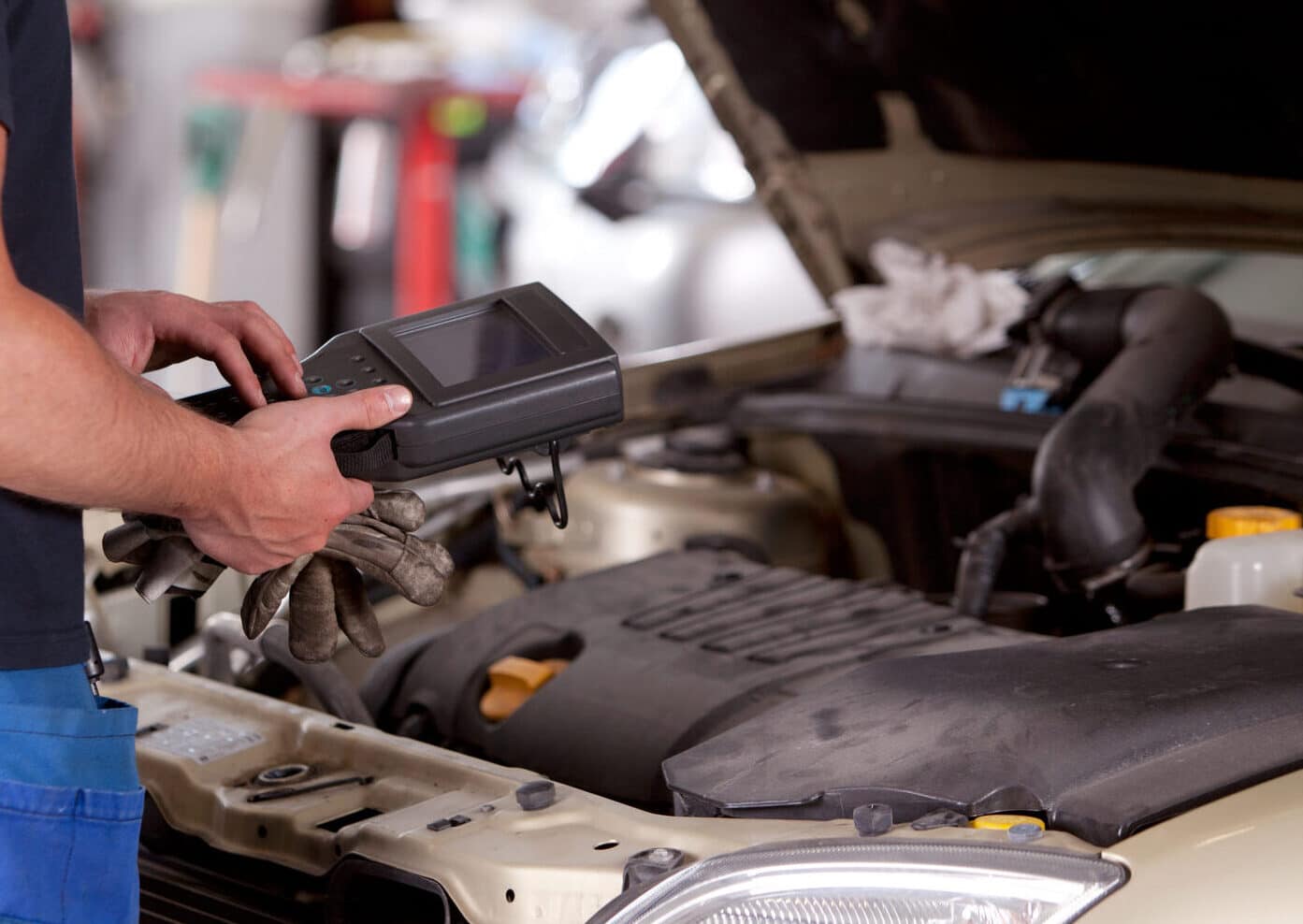
Engine Maintenance Service
When your vehicle is manufactured, it comes with a booklet detailing when your vehicle should receive certain maintenance services. These timings are typically separated by mileage and time.
These schedules often include:
- Spark plug replacement
- Timing belt inspections
- Coolant flushes
- Transmission service
- Fuel system maintenance
- Suspension inspections
Sticking to the service intervals in your owner’s manual will help keep your vehicle running like it’s supposed to and keep your manufacturer’s warranty intact.
Choose a Trusted Repair Shop
Preventive maintenance goes hand-in-hand with visiting a trusted repair shop. At Pyle Automotive we’ve helped thousands of drivers keep their vehicles maintained with honest recommendations and exceptional service.
Our technicians take the time to educate our customers on their vehicle’s needs and will help you determine which maintenance services you need.
Keep Your Vehicle Running Like New
Preventative maintenance doesn’t have to be difficult or expensive. Staying on top of regular maintenance can help you save thousands over your vehicle’s lifetime and keep you safe on the road.
If you’re due for maintenance or it’s been a while since your last maintenance visit, schedule an appointment with Pyle Automotive today! Give us a call at (801) 467-7455 or schedule with us online.