
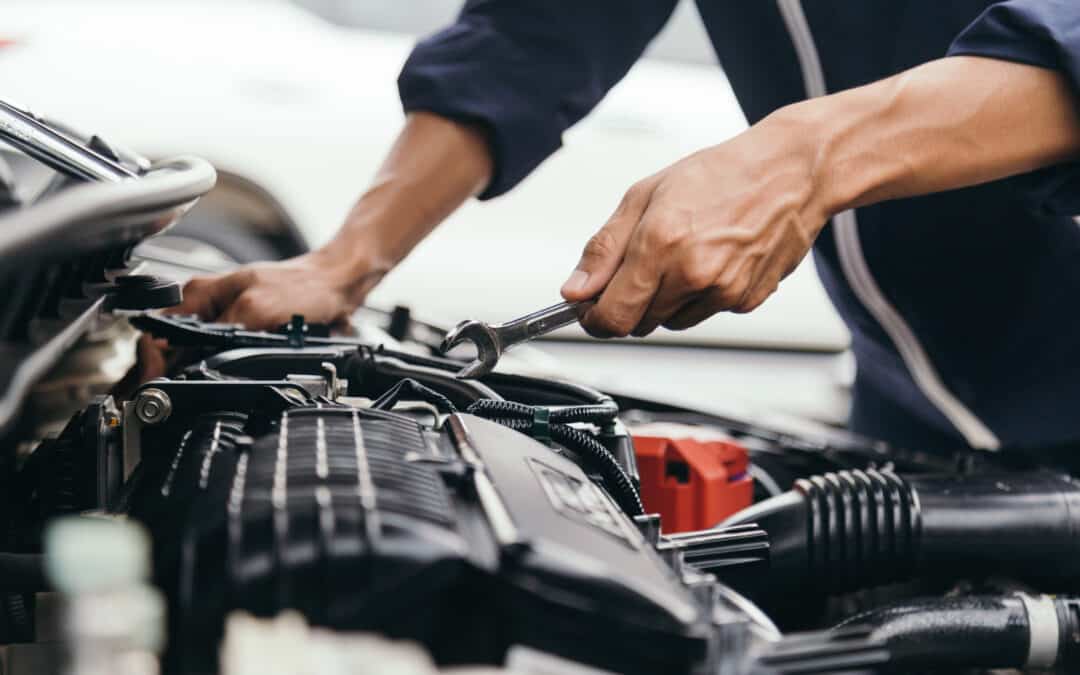
Living along the Wasatch Front means enjoying some of the best snow on earth, but it also means dealing with unique driving challenges. The combination of steep canyon roads, sudden temperature drops, and the inevitable inversion season puts a significant strain on vehicles. While many residents are accustomed to driving in the snow, the mechanical health of their cars is often overlooked until a breakdown occurs in the middle of a blizzard.
Preparing a vehicle for the harsh months ahead requires more than just scraping ice off the windshield. It involves a comprehensive look at how cold weather affects the internal components of an automobile. Pyle Automotive understands these local challenges better than anyone. As a staple in the community, they know that proactive maintenance is the key to safety and reliability when the roads turn white. Finding trustworthy Salt Lake City auto repair services is essential for ensuring your vehicle can handle the drop in temperature and the salt on the roads.
The Impact of Freezing Temperatures on Car Batteries
One of the most common reasons drivers find themselves stranded in a parking lot on a freezing morning is a dead battery. Chemical reactions inside a battery slow down significantly when the temperature plummets. This means the battery has to work much harder to produce the same amount of power required to start the engine. Simultaneously, the engine requires more power to turn over because the oil inside it has thickened in the cold. This double whammy is often too much for an older battery to handle.
Pyle Automotive recommends having your battery tested before the deep freeze sets in. A battery that seems fine during the warm autumn months might be on the brink of failure. A professional test can determine the cold cranking amps available and reveal if the battery has enough life left to survive the season. If the battery is more than three years old, replacing it proactively is often the wisest choice to avoid the inconvenience and danger of being stuck without power in sub-zero temperatures.
Traction Matters: Tires and Pressure

The connection between a vehicle and the road is arguably the most critical safety factor during winter. While all-season tires are popular, they often lack the specialized rubber compounds found in dedicated winter tires. Winter tires are designed to remain flexible even in extreme cold, allowing them to grip the road surface better than all-season tires, which can become hard and plastic-like in freezing temperatures. For those driving up Big or Little Cottonwood Canyon, proper traction devices or snow tires are not just a recommendation; they are often a legal requirement.
Tire pressure also fluctuates with the temperature. For every ten-degree drop in air temperature, tire pressure can decrease by one to two PSI. Under-inflated tires have less stability and can increase braking distances, which is dangerous on icy roads. The technicians at Pyle Automotive emphasize the importance of checking tire pressure regularly throughout the winter. Maintaining the correct pressure ensures optimal contact with the road, provides better fuel economy, and helps the tread wear evenly.
Fluid Maintenance for Engine Health
Fluids are the lifeblood of any vehicle, and their viscosity changes drastically in the cold. Motor oil thickens as the temperature drops, which can make it difficult for the oil to circulate through the engine upon startup. This lack of lubrication during the first few seconds of running causes significant wear and tear on engine components. Switching to a synthetic oil with a lower cold-viscosity rating can help ensure the engine is protected from the moment the key is turned.
Coolant, or antifreeze, is another fluid that demands attention. Its primary job in the winter is to prevent the water in the engine’s cooling system from freezing. If the coolant mixture is too diluted with water, it can freeze and expand, potentially cracking the engine block or blowing out radiator hoses. A simple visit to a Salt Lake City auto repair shop like Pyle Automotive can verify the freezing point of the coolant mixture, ensuring it is potent enough to withstand the coldest Utah nights.
Visibility and Windshield Care
Visibility is often compromised during Salt Lake City winters due to the heavy use of road salt and the slush that gets kicked up by other vehicles. This grime creates a film on the windshield that can be nearly impossible to see through, especially when driving into the glare of the low winter sun. Windshield wipers take a beating in these conditions. If the rubber blades are torn, cracked, or stiff, they will streak across the glass rather than clearing it. Replacing wiper blades is a simple, low-cost maintenance task that dramatically improves safety.
The washer fluid reservoir should also be kept full, but not just with any fluid. Summer blends of washer fluid can freeze in the lines or on the windshield itself, rendering the system useless. Using a winter-rated washer fluid that contains a de-icer is crucial. This prevents the fluid from freezing in the reservoir and helps melt light frost on the glass. Ensuring that the heater and defroster are working correctly is also part of maintaining visibility, as they keep the inside of the windows clear of fog and condensation.
Protecting the Undercarriage from Corrosion

fluid leak
The salt and brine used to keep Utah roads clear of ice are highly corrosive to metal. Over time, this road salt can eat away at a vehicle’s undercarriage, causing rust on the frame, exhaust system, and brake lines. While the salt is necessary for safety, it creates a hostile environment for automobiles. Pyle Automotive advises car owners to wash their vehicles regularly, even in the winter, to rinse away these corrosive elements. Many car washes offer an undercarriage spray that can help dislodge salt buildup from hard-to-reach areas.
Brake lines and fuel lines are particularly vulnerable to corrosion. If these lines rust through, it can lead to brake failure or fuel leaks. A pre-winter inspection usually includes a thorough look at the undercarriage to identify any existing rust issues or protective coatings that may have worn away. Addressing these issues early prevents minor surface rust from turning into major structural damage that compromises the safety and longevity of the vehicle.
Belts and Hoses in Cold Weather
Rubber components like serpentine belts and radiator hoses become brittle when exposed to freezing temperatures. A belt that is already worn or cracked is much more likely to snap when the engine is started on a cold morning. If the serpentine belt breaks, the alternator, power steering pump, and water pump will stop working, leaving the driver stranded and potentially causing the engine to overheat. Similarly, hoses that have lost their elasticity can burst under pressure, leaking vital fluids.
Pyle Automotive technicians inspect these rubber components for signs of wear, such as glazing, cracking, or softness. Squealing noises coming from the engine bay on startup are often a sign that a belt is loose or worn and needs adjustment or replacement. Catching these issues before they lead to a roadside breakdown is a core part of responsible winter vehicle ownership. The peace of mind that comes from knowing the belts and hoses are in good condition allows drivers to navigate winter roads with confidence.
Preparing for the Unexpected
Auto Maintenance Service Expert
Despite the best maintenance efforts, the unpredictable nature of winter driving means that emergencies can still happen. A slide off the road or a sudden mechanical failure can leave a driver waiting for help in dangerous conditions. While the mechanical preparation is handled by the pros, drivers should ensure their vehicles are stocked with emergency supplies. This includes items like blankets, extra warm clothing, a flashlight with fresh batteries, and non-perishable snacks.
It is also wise to keep the gas tank at least half full at all times. This provides a safety buffer if traffic comes to a standstill due to a storm or accident, allowing the car to be run intermittently for heat. Furthermore, a fuller gas tank reduces the amount of condensation that can form inside the tank, preventing water from entering the fuel lines and freezing. This simple habit is an easy way to add an extra layer of safety to winter commutes.
Drive with Confidence This Season
Winter in Salt Lake City is beautiful, but it demands respect from drivers and a high standard of care for vehicles. The harsh conditions accelerate wear and tear, exposing any weaknesses in a car’s mechanical systems. By taking a proactive approach to maintenance, drivers can avoid the stress and danger of winter breakdowns.
Pyle Automotive stands ready to assist with all cold-weather preparation needs. From battery checks and tire inspections to fluid flushes and heating system repairs, their expertise in Salt Lake City auto repair ensures that local drivers are ready for whatever the season brings. Don’t wait for the first heavy snow to reveal a problem. Schedule an inspection today and enjoy a safe, reliable winter on the road. Reach out today by calling (801) 467-7455.